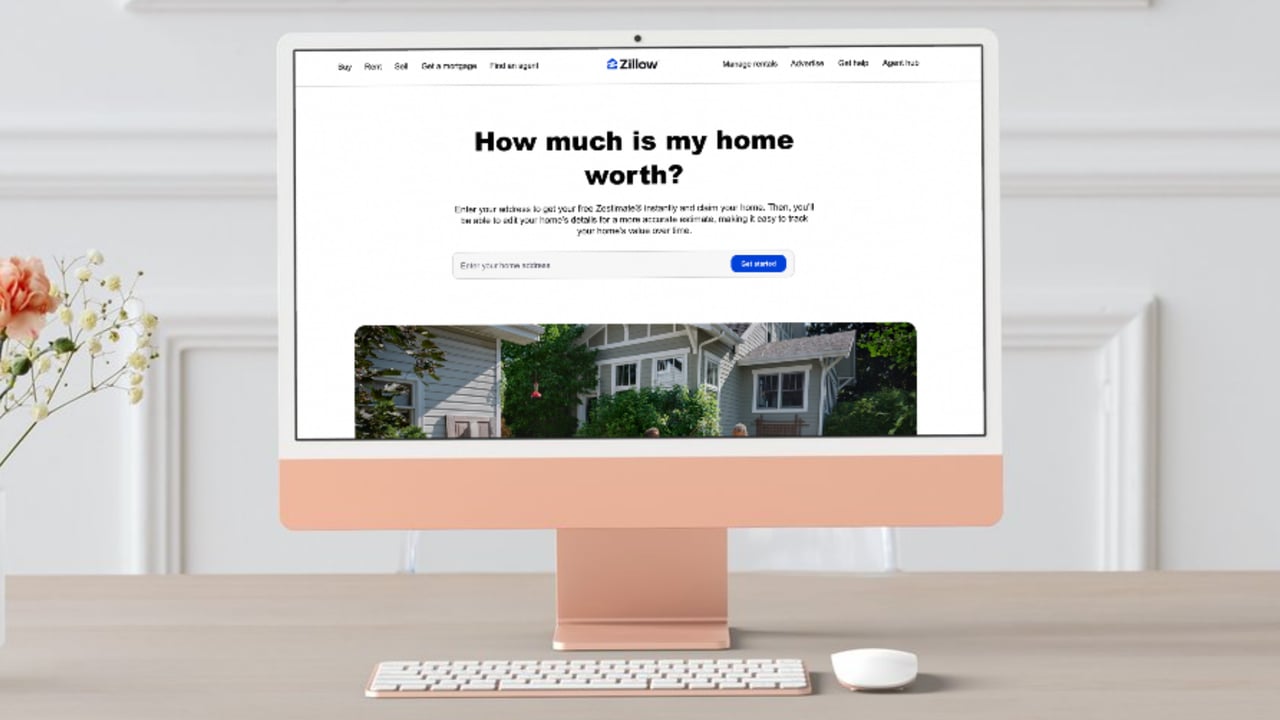
When homeowners want to know what their house is worth, the first stop is almost always Zillow or Redfin.
It feels easy. Instant. Precise.
But that clean, confident number on your screen? It can be wildly misleading - and sometimes costly if you rely on it too heavily. The truth is, pricing a home isn’t just a math problem. It’s a complex mix of data, psychology, and real-world nuance that algorithms simply can’t fully capture.
Let’s break down why.
For an algorithm to truly price your home accurately, it would need to analyze everything - layout, design quality, natural light, neighborhood nuances, buyer behavior, and more. That would require processing billions of data points for every home in America. Not exactly realistic.
So instead, these systems take shortcuts, relying on basic data like:
Square footage
Bed and bath count
Tax records
Recent nearby sales
That might sound reasonable… until you realize how much that leaves out.
Algorithms only know what gets entered into a system and real estate data is far from perfect.
Two homes might show identical square footage on paper, but feel completely different in person. One could have a choppy, outdated layout and the other might feel open, modern, and thoughtfully designed. One may include unfinished basement as finished square footage and the other doesn’t include the unfinished basement.
To a buyer, that difference is huge. To an algorithm? They’re essentially the same.
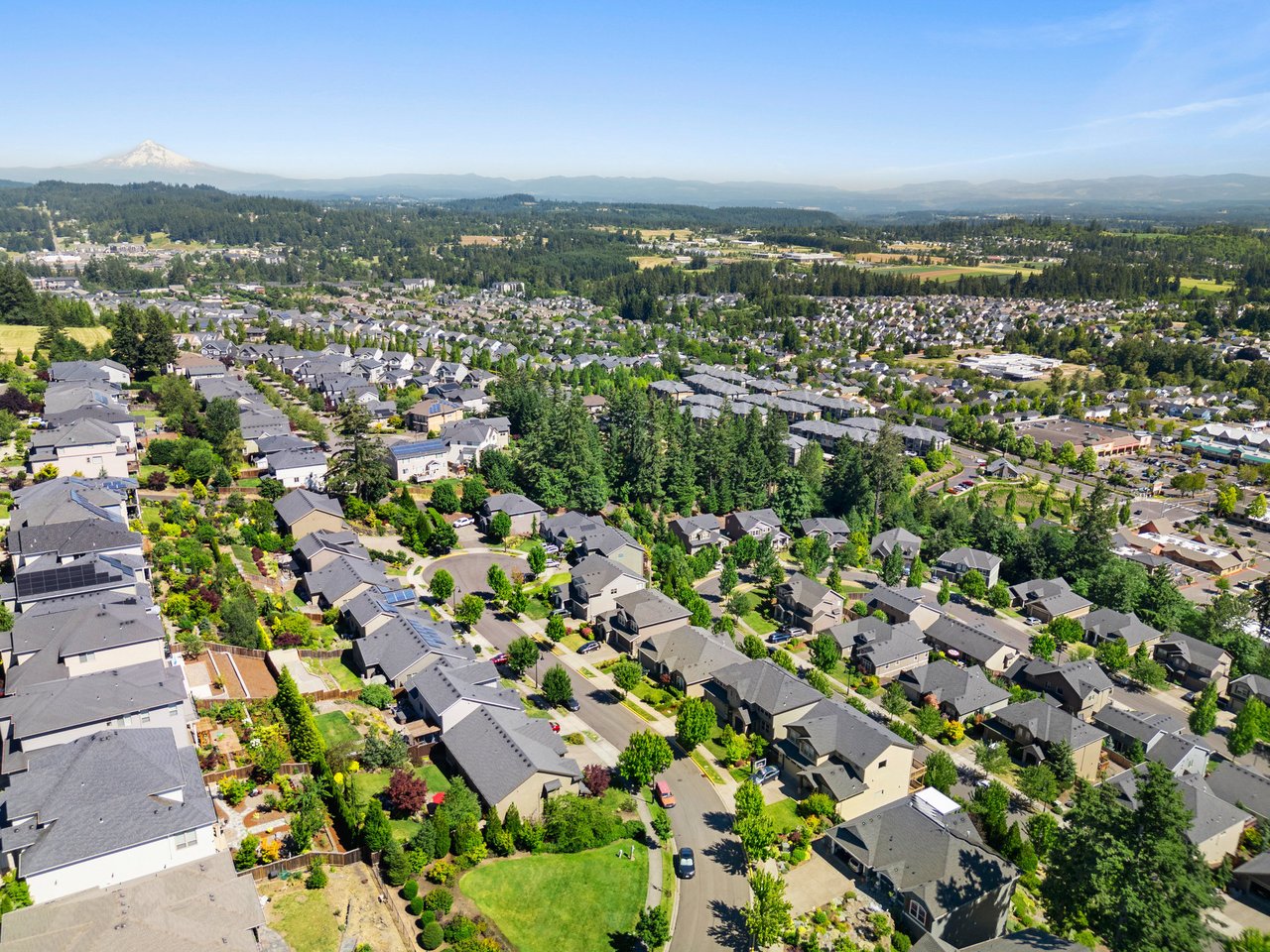
Real estate isn’t just local, it’s hyper-local. In cities like Portland, value can shift dramatically within just a few blocks.
A few examples:
Busy street vs. quiet cul-de-sac → tens (or hundreds) of thousands in difference
Proximity to main roads → noticeable price drops
Backing to green space → significant premium
Even factors like tree placement, sidewalk damage, or zoning changes can influence value - none of which algorithms truly understand.
Some of the biggest drivers of value are subjective.
A high-end custom remodel vs. a quick DIY flip
Built-in shelving vs. a basic IKEA unit
Thoughtful design vs. builder-grade finishes
These details create perceived value and perceived value is what buyers actually pay for. An algorithm just sees “updates.” A buyer feels the difference instantly.
Here’s where things get even more human.
Buyers make decisions based on things data can’t measure:
Natural light and exposure
Noise levels
Privacy
Seasonal timing (yes, even AC matters more in summer)
Smell (a huge, and often overlooked, factor)
These are the moments when someone walks into a home and thinks: “This is the one.” No algorithm can replicate that.
In many neighborhoods, only a handful of homes sell each year. That creates a small, and often misleading, data set. If those few sales include: One fixer-upper, one fully renovated home… the “average” becomes almost meaningless. Yet that’s exactly what automated valuations rely on.
This is where algorithms fall apart entirely. They assume your home’s value is fixed. It’s not.
A great agent doesn’t just predict value, they actively create it through:
Strategic pricing
Marketing and positioning
Buyer psychology
Negotiation
The right approach can drive a sale price 5-15% higher than what raw data alone would suggest.
When pricing is this nuanced, the person guiding the process matters - significantly. And this is where many sellers make expensive mistakes.
In a crowded industry, some agents will tell you exactly what you want to hear just to win your business. If you believe your home is worth $1M, some agents will happily agree, even if the data points closer to $850K.
This is called “buying the listing.”
What happens next?
The home sits.
Price reductions follow.
Momentum is lost.
And ultimately, you may sell for less than if you had priced it correctly from the start.
Online estimates give you a single number. But behind the scenes, there’s always a range, often spanning $100K or more.
For example:
Estimated value: $900,000
Real range: $800,000-$1,000,000
Your agent’s job? Push your home to the top of that range through strategy, presentation, and execution.
Here’s a behind-the-scenes truth:
Appraisals look backward (based on past sales)
Great agents look forward (based on current demand)
With the right strategy, you can generate enough competition to:
Set a new neighborhood benchmark
Justify a higher price to appraisers
Literally push the market forward
That doesn’t happen by accident.
Automated home values can be a helpful starting point, but they’re far from the full picture.
Your home’s true value lives at the intersection of:
Data
Design
Location
Timing
Buyer psychology
Go-to market strategy
Pricing isn’t just about numbers, it’s about knowing how to bring all of those elements together to unlock your home’s full potential. And that’s something no algorithm can do!
Want to better understand your home’s current estimated value? Reach out and let’s get you started.
Address 4200 Mercantile Dr #700 Lake Oswego, OR 97035
Address 4200 Mercantile Dr #700 Lake Oswego, OR 97035