You grab a coffee, stroll past fresh berries and bouquets at the Beaverton Farmers Market, then hop on the Fanno Creek Trail for a mellow mid‑morning loop. If that sounds like your kind of Saturday, you’ll feel at home in Beaverton. Whether you’re relocating for work or searching for more space and parks, this guide shows you the rhythm of daily life, what homes cost, and how to get around. Let’s dive in.
Beaverton sits in Washington County on Portland’s west side, just east of Hillsboro, and functions as a secondary city center for the metro. The city counted 97,494 residents in the 2020 Census, and recent QuickFacts show a median household income around $98,600 in 2020–2024 dollars per Census QuickFacts. You’ll notice a strong employer presence close by. Beaverton is home to Nike’s World Headquarters as documented in Nike’s corporate filings, and Hillsboro hosts large Intel campuses, shaping commutes and housing demand on the west side.
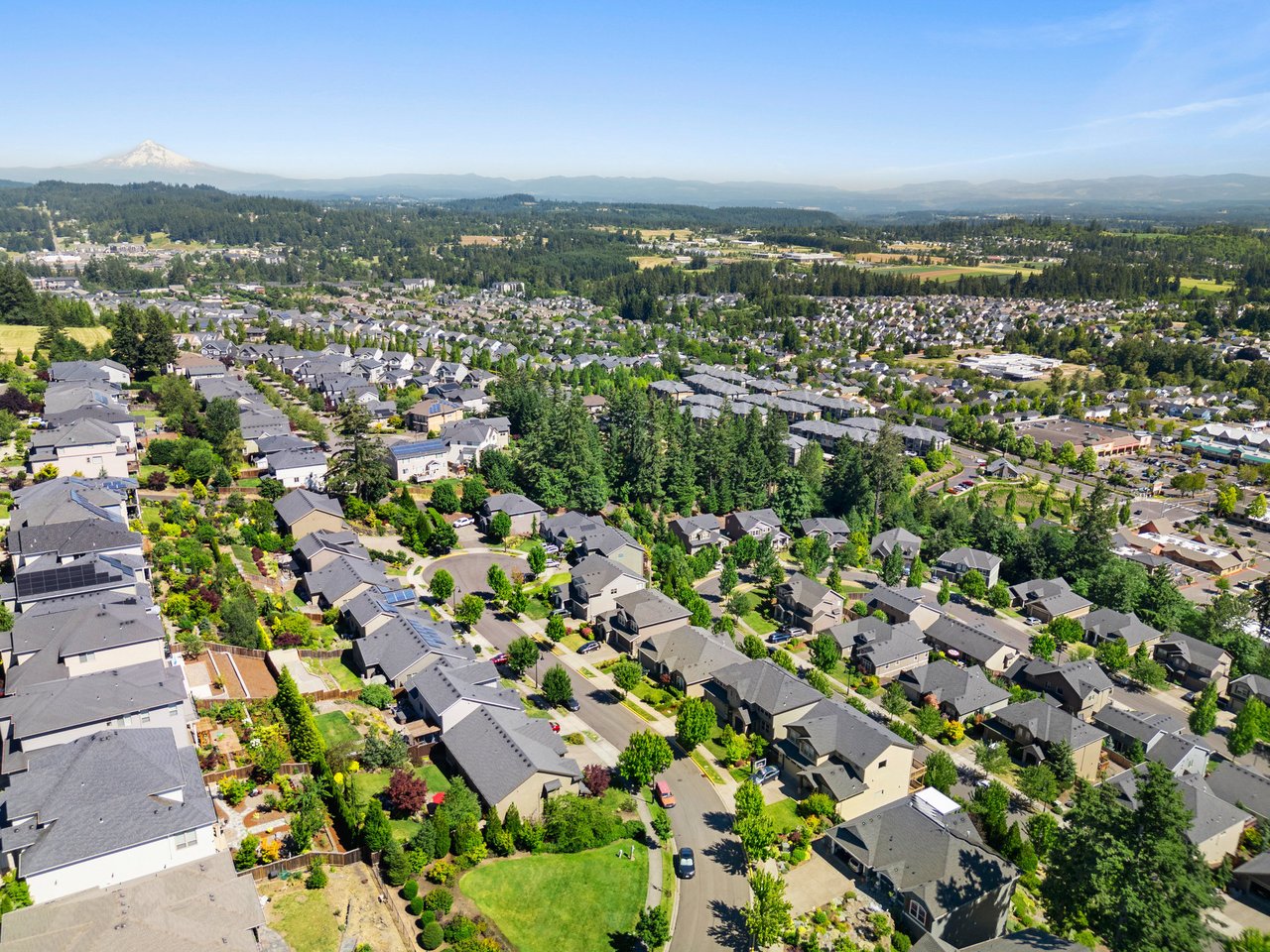
Residents often describe Beaverton as a “suburb with urban nodes.” You’ll find leafy, established neighborhoods with yards, plus newer, walkable pockets near transit and downtown. That mix lets you choose between quiet cul‑de‑sacs, townhouse convenience, or an evening stroll to dinner.
If outdoor time is high on your list, you’ll appreciate Tualatin Hills Park & Recreation District (THPRD). The district operates hundreds of parks, trails, and natural areas around Beaverton. The 222 to 225‑acre Tualatin Hills Nature Park has family‑friendly loops and wildlife viewing right by a MAX station per THPRD’s park page. Nearby, Cooper Mountain Nature Park spans roughly 230 acres with valley views. For everyday mileage, the Fanno Creek Trail offers paved stretches that work for walks, stroller time, or bike commutes.
Beyond trails, THPRD runs swim centers, classes, and sports programs year‑round. It’s a simple way to plug into the community while keeping kids busy and adults active.
Beaverton’s food scene has range. The Beaverton Farmers Market anchors downtown on weekends, with seasonal produce, local makers, and a lively, social feel as listed by the market. For variety any night of the week, BG’s Food Cartel brings dozens of carts together just off SW Cedar Hills Boulevard, so everyone can find a favorite according to the cart pod’s overview. Around downtown, you’ll see more independent restaurants and coffee shops opening, supporting an easy walk‑and‑dine lifestyle.
Beaverton City Library programs, small theaters, summer concerts, and civic events round out the calendar. Seasonal street activations and downtown programming add to the small‑city energy. If you like low‑key, family‑friendly fun without a long drive, you’ll have options most weeks.
The Beaverton School District serves a large student population across the city and nearby communities. Official fall 2024–25 reports show total enrollment in the high 30,000s per the Oregon Department of Education. If schools factor into your move, your next steps are simple:
THPRD supplements classroom life with after‑school activities, swim lessons, and camp programs that make scheduling easier for busy households.
Beaverton is one of the west side’s transit hubs. At the Beaverton Transit Center, you can connect to MAX Light Rail’s Blue Line and Red Line service west of Beaverton, as well as multiple frequent bus routes and the WES commuter rail to Wilsonville per TriMet’s transit center page. With a single transfer, you can reach downtown Portland, Hillsboro’s tech campuses, or the airport depending on route and time of day.
By car, Beaverton sits near US‑26 and OR‑217, offering straightforward access across the west side and into Portland. Like any metro area, commute times vary by peak hours, construction, and weather. If a precise drive time is critical, test your route at the times you plan to travel.
You’ll find a broad mix of homes, from post‑war single‑family houses to newer subdivisions, plus condos and townhomes near transit and downtown. As of early 2026, Beaverton’s median sale price sits around 520,000 to 525,000 dollars, according to the latest snapshots on Zillow’s Beaverton home values page. Market pace and inventory shift month to month. If you’re planning a purchase or sale, checking the most current metrics helps you price and time your move.
Regionally, the west‑side corridor has embraced transit‑oriented development. Nearby Orenco Station in Hillsboro is a well‑known example, and Beaverton Central continues to add housing and mixed use near MAX and WES.
Observed rent indices show a wide range by unit size and location. Apartments cluster around transit nodes and downtown, while townhomes and single‑family rentals appear across many neighborhoods. If you’re testing the area before buying, you can usually find options that trade space for walkability or vice versa.
Downtown Beaverton continues to evolve through design and urban renewal efforts. The city highlights projects such as new mixed‑use parcels, parking improvements, and open space planning under its redevelopment portfolio. For ongoing updates on plans like the Downtown Design Plan and housing initiatives, start with the City of Beaverton’s project and planning pages.
These efforts aim to add housing variety, support small businesses, and improve public spaces. If you’re buying with a long horizon, tracking these moves helps you understand how neighborhood character may shift in coming years.
Public crime summaries can vary by source and year, and neighborhood patterns matter. Recent snapshots show property crime above national averages in some reporting years, while violent‑crime comparisons vary. For context, review year‑by‑year summaries and map views, then compare across sources. A useful starting point is this CrimeExplorer summary for Beaverton, noting the year on any statistic you use see CrimeExplorer’s Beaverton page.
You’ll likely love Beaverton if you want easy park access, a casual dining scene, and practical commute options within the Portland metro. The housing stock offers real choice, from move‑in‑ready condos near transit to larger single‑family homes with yards. Downtown continues to add energy, and THPRD makes it simple to stay active year‑round.
If you’re weighing your options, we can help you make a confident, data‑driven decision. As a local team with a track record across Portland’s west side, Green Buck Real Estate brings neighborhood insight, premium listing marketing, and a clear, step‑by‑step process for buyers and sellers. Reach out when you’re ready to tour homes, compare neighborhoods, or time your sale for the best result.
Address 4200 Mercantile Dr #700 Lake Oswego, OR 97035
Address 4200 Mercantile Dr #700 Lake Oswego, OR 97035