If you are thinking about a move to Clark County, you probably want more than a map and a home search. You want to know what daily life actually feels like once the boxes are unpacked. In Southwest Washington, that answer depends a lot on where you land, but the big picture is consistent: easy outdoor access, active local gathering spots, and a mix of urban convenience and small-town rhythm. Let’s dive in.
Clark County blends several lifestyles into one region. According to county quick facts, the county has an estimated population of 542,400, a median age of 39, and a median household income of $97,678.
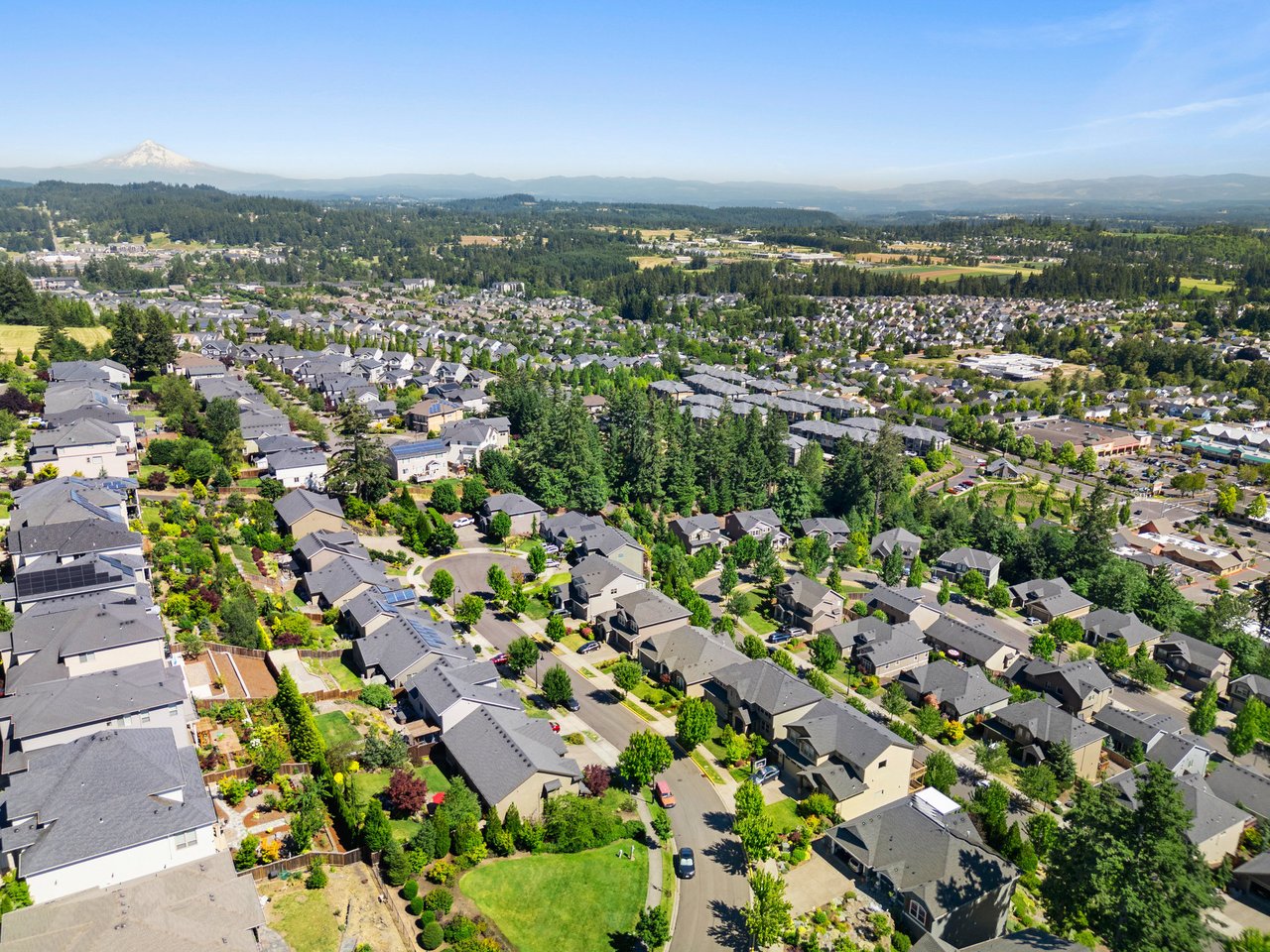
What makes the area stand out is how many different settings fit into your normal week. The county describes a place where urban areas, historic landmarks, rural farmlands, and deep forests all exist within the same daily orbit. You can enjoy local routines close to home while still being minutes from Portland’s metro amenities across the Columbia River.
Southwest Washington is not one uniform suburb. It is better understood as a group of connected communities, each with its own pace, layout, and public spaces.
Vancouver offers the most urban day-to-day feel in Clark County. The city has 71 officially recognized neighborhood associations, and its downtown is known for small-town charm even as Vancouver ranks as Washington’s fourth-largest city.
In practical terms, that can mean more access to transit, established neighborhoods, and a busier calendar of events. If you like the idea of living near parks, a waterfront, and a walkable downtown core, Vancouver often delivers that mix.
Camas highlights a vibrant but quaint historic downtown, about 60 miles of trails, and neighborhood areas that support an active lifestyle. Everyday life here can feel a little more tucked in, with outdoor routines and local downtown habits playing a bigger role.
If you picture weekend walks, local shops, and a strong connection to trails, Camas may match that vision. It offers a distinct identity without feeling disconnected from the larger region.
Ridgefield describes itself as a place where historic residential structures sit alongside modern subdivisions. That mix gives the city a clear small-town feel while still accommodating growth.
For many buyers, that translates into a slower, more community-centered rhythm. You may find that local events, parks, and neighborhood patterns shape everyday life as much as commute times do.
Washougal stands out for its waterfront identity and local gathering spaces. The city frames its community market as a welcoming place that supports downtown identity and community connection.
That local focus shows up in daily routines. River views, outdoor spaces, and smaller social hubs can become part of your regular week instead of just an occasional outing.
In Clark County, access to parks and nature is not just a bonus feature. It is part of ordinary life. Clark County Parks and Nature manages 7,166 acres across 111 parks and sites, and the county highlights more than 40 miles of Columbia River frontage in the south and west parts of the county.
That scale matters because it changes how people spend their time. A morning walk, an evening picnic, or a quick stop at a waterfront trail can fit into your normal routine without much planning.
Esther Short Park is a major part of Vancouver’s everyday energy. It is the oldest public square in Washington and serves as a year-round hub for events, concerts, and community gatherings.
Nearby, Vancouver Waterfront Park adds another layer to daily life. This 7.3-acre riverfront park includes paved trails, the Grant Street Pier, a Columbia River water feature, and a trail connection to Wintler Park.
Wintler Community Park offers a Columbia River beach setting with water access, picnic tables, and paved trails. In Washougal, the Waterfront Park & Trail includes a 12-foot-wide trail, viewpoints, and water-access trails along the river.
These spaces help explain the area’s lifestyle appeal. Even if you are busy during the week, it is easy to see how riverfront walks and quick outdoor breaks become part of normal living.
Life near the Columbia also comes with practical awareness. Vancouver notes that some river contact areas, including Frenchman’s Bar Regional Park and Cottonwood Beach, are not considered safe for swimming because of strong currents and steep drop-offs.
So while the river shapes local life, it often does so through walking, fishing, scenic views, picnics, and trail use more than casual open-water swimming. That is a useful detail if you are trying to picture how you would really use the waterfront.
One of the clearest signs of everyday life in Southwest Washington is how often people gather in parks, downtown cores, and seasonal markets. The social vibe tends to be active but low-key.
Instead of centering around big nightlife districts, many communities build their public life around regular markets, live music, and local events. That can make the area feel approachable and easy to plug into.
The Vancouver Farmers Market has operated since 1990 and runs year-round downtown next to Esther Short Park. It supports more than 270 small businesses, welcomes more than 500,000 shoppers each year, and reports more than $27 million in local economic impact.
That kind of turnout says a lot about daily life. The market is not just a tourist stop. It is part of how many residents shop, gather, and spend time downtown.
Other Clark County communities have their own market routines:
These details matter because they show how social life is distributed across the county. You do not have to head into one central district to find activity. Many communities have their own built-in gathering points.
For many households, everyday life in Clark County is shaped by the river crossing and interstate access. Clark County reports a mean travel time to work of 24.8 minutes.
WSDOT identifies I-5 and I-205 as key commute and economic corridors in the Vancouver region. Its dashboard reports that the peak 8-mile morning commute on both the I-5 segment near the Interstate Bridge and the I-205 segment near the Glenn Jackson Bridge averaged 14 minutes in 2023.
C-TRAN adds flexibility to the daily picture. The system offers express commuter service to downtown Portland and Marquam Hill, plus connections to light rail and on-demand Current zones in Vancouver, Camas, Washougal, La Center, and Ridgefield.
That means your experience can vary a lot by location. Close-in Vancouver neighborhoods may support more transit use and walkability, while outer areas and north-county communities tend to be more car-centered.
Vancouver’s neighborhood descriptions help show how that plays out. Arnada is described as having vintage homes and mature trees with walk, bike, and transit access. Carter Park mixes craftsman bungalows and early-20th-century homes with newer infill, while Evergreen Highlands includes ranch homes from the 1950s through 1970s and has a more rural feel.
If daily convenience matters to you, this is where neighborhood-level guidance becomes valuable. Two homes in the same county can support very different routines depending on street pattern, age of housing, and access to transit or major roads.
Clark County offers a broad mix of home types, and that adds to the region’s appeal. The county’s Housing Options Study and Action Plan focuses on adding more affordable and diverse housing in the urban area, including duplexes, triplexes, quadplexes, condominiums, and multi-family apartments.
In Vancouver, the city’s adopted 2026-2045 Comprehensive Plan is intended to support growth with more flexible zoning and more homes. The city’s residential checklist includes single-family homes, duplexes, ADUs, triplexes, six-plexes, townhomes, courtyard apartments, and cottage housing.
Recent Census QuickFacts also show a meaningful range in housing values across Clark County cities:
| City | Housing value |
|---|---|
| Vancouver | $462,400 |
| Battle Ground | $485,100 |
| Washougal | $552,300 |
| Ridgefield | $613,500 |
| Camas | $711,700 |
This range helps explain why buyers often compare several parts of Southwest Washington before making a move. Lifestyle, commute, housing style, and price band are all closely connected here.
For most people, everyday life in Southwest Washington feels balanced. You can have access to parks, markets, and riverfront spaces while still staying connected to larger job centers and metro amenities.
The best fit depends on the lifestyle you want to build. If you want a more urban routine, Vancouver may stand out. If you want more trails, a historic downtown feel, or a stronger small-town rhythm, Camas, Ridgefield, and Washougal each bring something different to the table.
If you are weighing a move in Clark County, the smartest next step is to compare not just home prices, but also how each community supports your day-to-day routine. If you want help narrowing down the right area for your goals, Green Buck Real Estate can help you evaluate neighborhoods, commute patterns, and housing options with clear local insight.
Address 4200 Mercantile Dr #700 Lake Oswego, OR 97035
Address 4200 Mercantile Dr #700 Lake Oswego, OR 97035