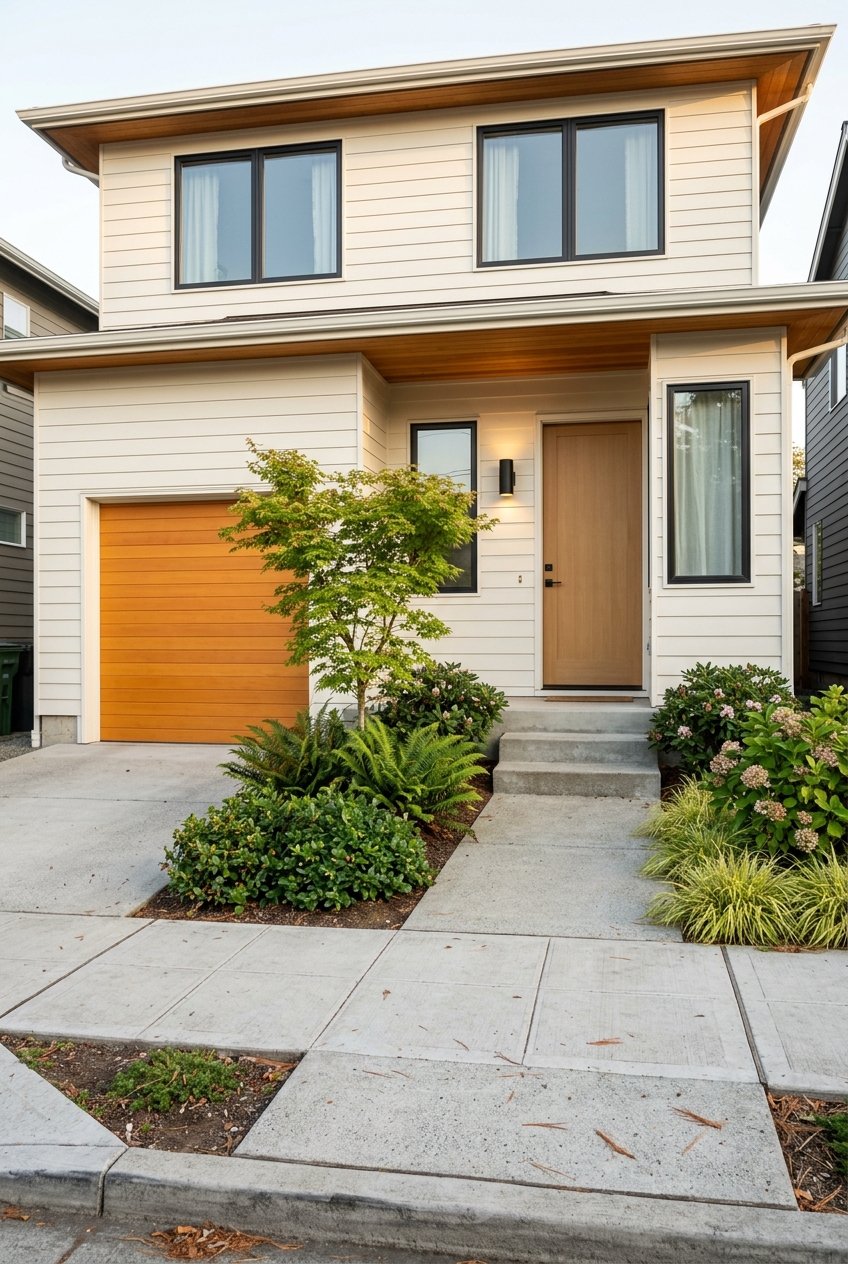
Looking for a place where your weekend can feel easy, social, and low-stress without leaving Beaverton? Downtown Beaverton stands out because it brings together coffee shops, parks, public art, dining, and transit in a compact area that is built for walking. If you are thinking about living nearby, it helps to know what daily life actually feels like once the workweek ends. Here’s a closer look at weekend living around downtown Beaverton and why it appeals to many buyers today.
Downtown Beaverton has a more connected, walkable feel than many suburban centers. The Beaverton Downtown Association highlights a compact district with a walking map, transit access, and several parking options, including free parking at City Park and Fountain plus an after-hours public parking program. That setup can make it easier to build a relaxed weekend routine without depending on long drives between stops.
The area also feels active without being overwhelming. Downtown points of interest include murals, sculptures, galleries, City Park, the Beaverton City Library, and The Round. In practical terms, that means a simple outing can include coffee, a park visit, public art, and a meal, all within a fairly short distance.
One of the biggest draws of living near downtown Beaverton is convenience. You can start the morning with coffee, walk to a community event, spend time in the park, and meet friends for lunch or dinner without crisscrossing town. For many buyers, that kind of rhythm adds value beyond square footage alone.
Downtown also supports both planned outings and spontaneous ones. Because the district is walkable and transit-connected, you may not need a big agenda to enjoy your time there. That can be especially appealing if you want a neighborhood environment that feels easy to use on a regular basis.
Downtown Beaverton’s business directory shows a broad mix of coffee and food options, which helps support an all-day weekend routine. Coffee spots named in the directory include AVA Roasteria, Lionheart Coffee, Harder Day Coffee, Thornton Coffee Roasters, and Pip’s Original. Several of these spots also have hours that fit early mornings or later evenings, which gives you flexibility.
If you like casual dining with variety, BG’s Food Cartel is a notable downtown option. It advertises more than 30 international food trucks along with an indoor and outdoor speakeasy-style bar. That kind of setup can work well for groups with different tastes or for a low-key afternoon downtown.
City Park is one of the anchors of downtown weekend life. According to the city’s public art materials, the park is next to the library, includes a play area and water fountain in warmer months, and hosts community events such as the Beaverton Farmers Market and Flicks by the Fountain. That mix helps make the area feel like more than a collection of storefronts.
The Beaverton City Library main branch is also right in historic downtown and is open seven days a week. If you enjoy neighborhoods where civic spaces are part of everyday life, that matters. It creates more options for how you spend your time and adds to the sense of downtown as a true community center.
Public art is another piece of the experience. The city’s art tour map highlights murals, sculptures, and galleries throughout downtown, which gives everyday walks a little more personality. For buyers comparing suburban areas, details like this can shape how connected and interesting a place feels over time.
A strong weekend district needs more than restaurants. Downtown Beaverton benefits from recurring community events that help create a steady rhythm throughout the year. Current examples include the monthly First Friday Art Walk, Music Bingo at Syndicate Wine Bar, and Bike Beaverton.
The Beaverton Farmers Market is one of the clearest examples of that recurring energy. It takes place on SW Hall between 3rd and 5th streets and emphasizes fresh local produce, artisan food, and an inclusive gathering place. For many people, having a regular market nearby adds both convenience and a stronger sense of local connection.
Downtown Beaverton is especially notable for its transit access. TriMet’s Beaverton Transit Center is served by MAX Blue, MAX Red, and WES commuter rail to Wilsonville. The Beaverton Downtown Association also notes that visitors can ride MAX to Beaverton Transit Center and walk or roll two blocks south on Lombard Avenue, or use the Blue Line to Beaverton Central.
If you want a lifestyle with less driving, this can be a major advantage. Even if you still own a car, being close to transit can make commuting, weekend plans, and regional access simpler. For some buyers, that broadens the appeal of homes near downtown compared with locations that feel more car-dependent.
The city’s Beaverton Central information points to a mixed-use core that includes the Hyatt House hotel, Arc Central, and ground-floor retail, with additional downtown projects also tracked by the city. From a housing perspective, that suggests a central area that leans more toward apartments, condos, and townhomes near transit and retail. Detached homes tend to become more common as you move farther into surrounding neighborhoods.
That variety matters because not every buyer wants the same version of convenience. Some people want a lower-maintenance home close to restaurants and MAX. Others want to live a bit farther out while still being near downtown enough to enjoy it on weekends.
Weekend living around downtown Beaverton can appeal to several types of buyers:
For broad price context, Beaverton’s citywide market currently sits roughly in the low-$500,000s to low-$600,000s, depending on the metric and property type. Redfin’s March 2026 snapshot puts Beaverton’s median sale price at $591,900, while Zillow’s March 31, 2026 home value index puts the average Beaverton home value at $530,795. Homes were also moving relatively quickly, with Redfin showing 36 days on market and Zillow showing homes going pending in about 27 days.
It is important to remember that these figures are citywide, not downtown-only. Still, they help frame what buyers may see as they compare homes close to downtown Beaverton with options in nearby parts of the city. Housing type, condition, and exact location can all affect pricing.
Downtown Beaverton’s long-term appeal is not only about what exists today. The downtown parks and open-space framework plan was adopted in October 2023 after input from more than 1,900 people and over 2,000 community ideas. The plan is meant to guide future parks, plazas, trails, green stormwater management, and habitat.
That does not guarantee the same timeline or impact for every block, but it does show ongoing public focus on making downtown open space more useful and connected. For buyers who think about lifestyle and long-term neighborhood function, that is a meaningful signal. It suggests downtown’s public realm may continue becoming more visible and more usable over time.
If you are considering a home near downtown Beaverton, it helps to think beyond the listing itself. Ask how you want your weekends to feel. Do you want to walk to coffee, browse a market, spend time at the park, or catch transit without much planning?
You should also think about the tradeoffs between living in the core and living just outside it. A condo, apartment-style home, or townhome near transit may offer a more connected routine and lower maintenance. A detached home farther out may offer a different layout or lot size while still keeping downtown close enough to enjoy regularly.
The key is matching your home search to your actual habits. For many buyers, that is where a neighborhood like downtown Beaverton becomes especially compelling. It offers a weekend lifestyle that feels active, flexible, and easy to enjoy.
If you want help comparing homes near downtown Beaverton or deciding which part of Beaverton best fits your lifestyle, Green Buck Real Estate can help you make a confident move with local, data-driven guidance.
Address 4200 Mercantile Dr #700 Lake Oswego, OR 97035
Address 4200 Mercantile Dr #700 Lake Oswego, OR 97035