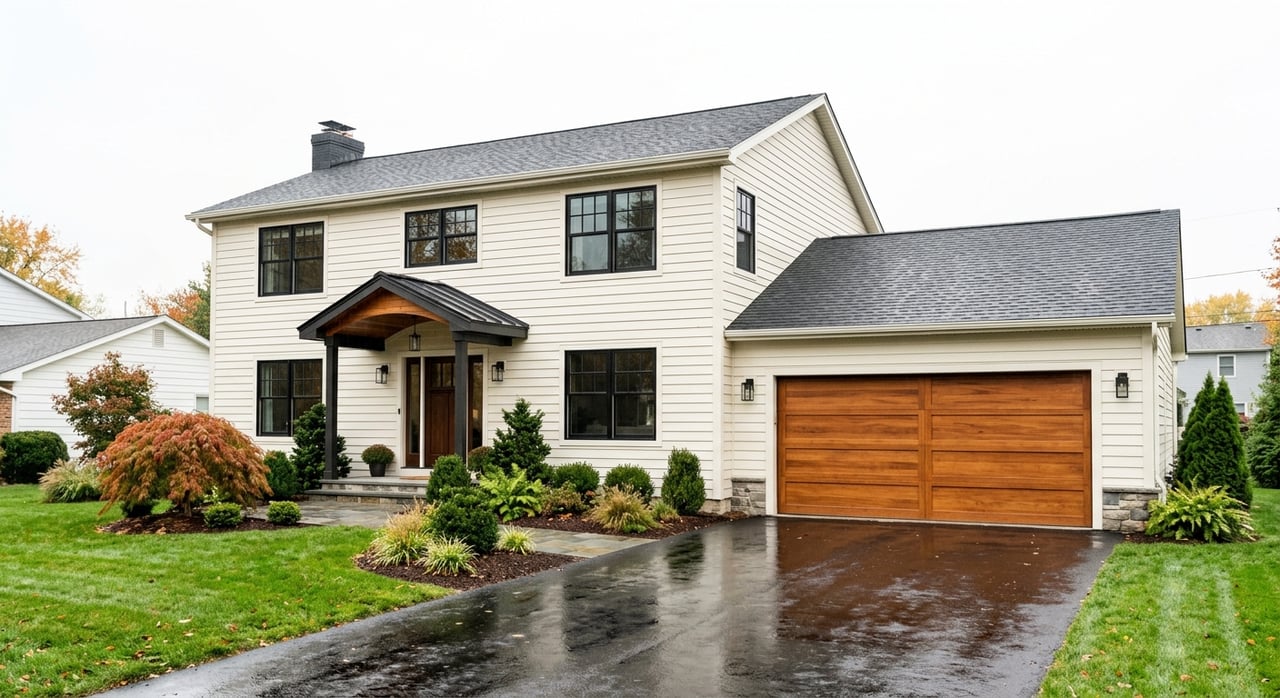
Trying to sell a Clark County home while living in another state can feel like a logistical headache. You may be wondering how to price it correctly, get it ready for the market, sign the paperwork, and close on time without constant travel. The good news is that Washington’s process, paired with the right local support, makes a remote sale very doable. Let’s walk through what matters most.
Selling from afar is not unusual, especially when you have a local team managing the moving pieces. In Clark County, the market still favors smart preparation and accurate pricing, with February 2026 inventory at 2.50 months countywide. That is below the 4 to 6 months that NWMLS describes as a balanced market.
That local context matters because a remote sale is less about distance and more about coordination. When your pricing, property prep, marketing, disclosures, signing, and closing plan all work together, you can stay informed without being physically present for every step.
A countywide number is helpful, but it is only a starting point. NWMLS reported a February 2026 median sale price of $525,000 for residential homes and condos combined in Clark County, and $535,000 for homes only.
Those figures help frame the market, but they do not price your home by themselves. Clark County includes many subareas, and pricing can vary meaningfully from one area to another. If you live out of state, neighborhood-specific pricing is especially important because you cannot rely on a broad Southwest Washington average and expect the best outcome.
A strong remote pricing plan usually starts with a few practical inputs:
This approach helps you make clear decisions from a distance. Instead of guessing where to spend money, you can focus on updates that improve presentation and support your price.
When you are selling from another state, it is easy to feel pressure to fix everything. In most cases, you do not need perfection. You need a home that feels clean, well cared for, and ready for buyers to experience online and in person.
NAR’s 2025 staging report found that 29% of agents saw a 1% to 10% increase in dollar value from staging, and 49% said staging reduced time on market. For a remote seller, that is a strong reminder that presentation can directly affect both speed and price.
The most common and practical listing prep items include:
The same staging report also found that buyers’ agents rated photos, traditional staging, videos, and virtual tours as highly important. That fits especially well with an out-of-state sale, since your first showings often happen online.
If you need to prioritize, focus on the spaces buyers notice most. The most commonly staged rooms were the living room, primary bedroom, dining room, and kitchen.
The median staging-service cost reported was about $1,500. That does not mean every home needs full staging, but it does support a practical strategy: get the home photo-ready, make the most important rooms look polished, and let your local listing team coordinate the details.
When you are not nearby, your listing media has to work harder for you. Clear photography, video, drone content, and virtual tours help buyers understand the property before they ever schedule a showing. They also help you feel confident that the home is being presented at a high level while you are away.
This is where a systematized local team can add real value. Sellers often want help with pricing competitively, marketing the home, finding a qualified buyer, and doing so within a specific timeframe. For an absentee owner, that structure matters because consistent communication and local execution reduce stress.
One of the most important parts of a remote sale is staying on top of your disclosure obligations. In Washington, the seller disclosure statement must be completed within five business days after mutual acceptance unless the buyer waives receipt.
Once the buyer receives it, the buyer generally has three business days to rescind. The disclosure is based on your actual knowledge and is not a warranty, but accuracy still matters.
If you learn new information before closing that makes the disclosure inaccurate, Washington law requires you to amend it. That can also trigger a new three-business-day rescission period for the buyer.
If the scheduled closing date falls inside that rescission window, the closing is extended. For out-of-state sellers, this is a good reason to stay responsive during escrow, even after the home goes under contract.
Many sellers ask the same question: do I need to travel back to Washington to close? Often, much of the process can be handled remotely, though the exact steps depend on the escrow officer, title company, lender, and the documents in your file.
Washington allows remote notarization for eligible acts when the legal requirements are met. Clark County also supports eRecording, which reduces time, postage, and travel and makes recorded documents public record immediately.
Washington law allows a Washington electronic-records notary public to notarize for a remotely located individual using communication technology if identity requirements are satisfied and the act is audiovisually recorded. The Department of Revenue also says electronic signatures are valid for REET purposes when properly authenticated.
That means many closing tasks can move forward without an in-person appointment in Clark County. Still, timing matters, and your escrow instructions should stay closely aligned with your signing schedule.
In some situations, a power of attorney may help with signing. For certain REET-related documents, the Department of Revenue says the power of attorney must authorize real estate transfer and must be provided to the county at the time of transfer.
The Department of Revenue also says the date of sale is the date the deed is notarized. That is one more reason to keep signatures, escrow instructions, and recording logistics carefully coordinated.
Washington real estate excise tax, often called REET, applies to most sales unless an exemption applies. The seller usually pays this tax, though contract terms can allocate costs differently.
For deeded transfers, the affidavit, conveyance document, and payment go to the county treasurer in the county where the property is located. REET is due on the date of sale, regardless of when the deed is recorded, and sellers should keep supporting records for at least four years.
For an out-of-state seller, this is less about memorizing forms and more about knowing the timeline. If your signing is delayed, it can affect the date of sale and related closing steps.
Washington’s title and escrow system is built for coordination, which is helpful when you are selling remotely. The Washington State Office of the Insurance Commissioner says the final choice of title insurance company is the consumer’s, and Washington consumers may choose one company for title insurance and another for escrow services.
Escrow companies, agents, and officers in Washington are regulated by the Department of Financial Institutions. That structure supports a process where multiple parties can work together to keep your file moving, even when you are signing from another state.
If you want to keep the process manageable, focus on these core steps:
Even if you never board a plane, your sale still happens in a local market with local pricing, local prep needs, county recording procedures, and Washington-specific disclosure and tax rules. That is why the best remote sales usually feel organized, not improvised.
When your listing strategy is built around local knowledge, premium marketing, and reliable transaction coordination, distance becomes much less of a barrier. You can make informed decisions, stay in the loop, and move toward closing with far less friction.
If you are selling a home in Clark County while living out of state, Green Buck Real Estate can help you build a clear plan, coordinate the details locally, and bring your home to market with confidence.

Address 4200 Mercantile Dr #700 Lake Oswego, OR 97035
Address 4200 Mercantile Dr #700 Lake Oswego, OR 97035