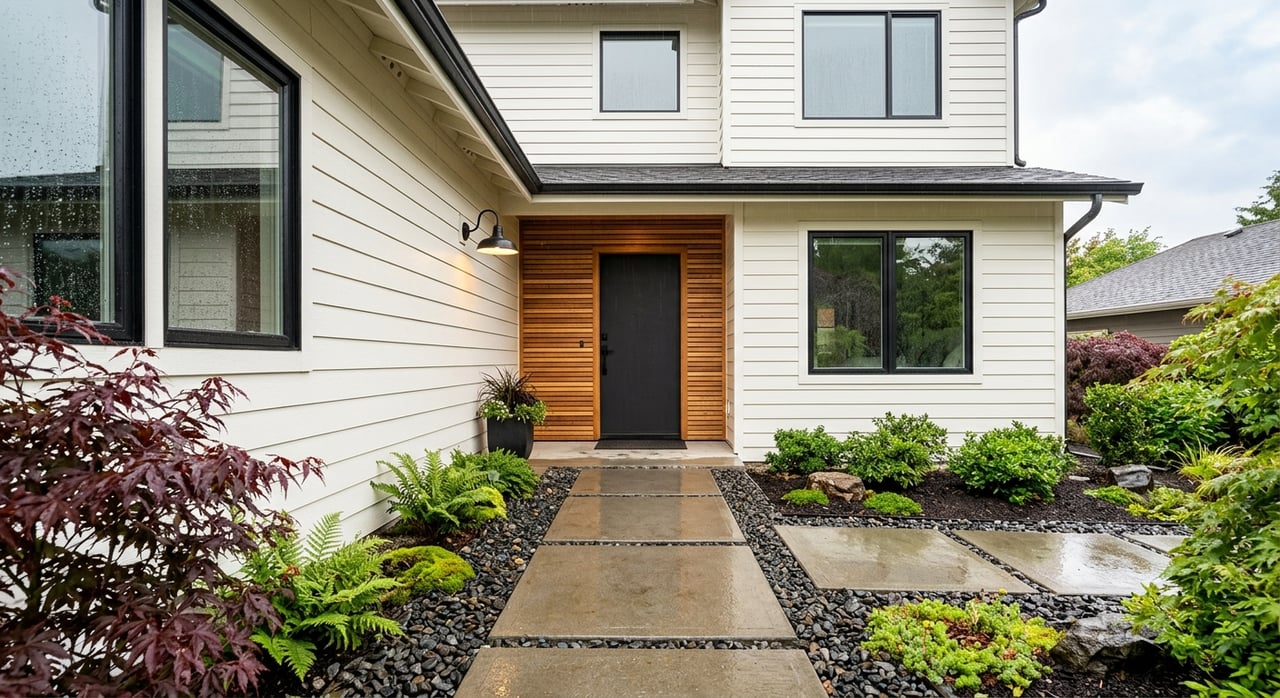
Is your Beaverton home set up for the kind of buyer who wants an easy commute, reliable work-from-home space, and a house that feels simple to live in from day one? In a city tied closely to the Silicon Forest, many buyers are not just shopping for square footage. They are looking for a home that supports how they work, move, and recharge. If you want to stand out in today’s market, it helps to know what matters most and how to present it clearly. Let’s dive in.
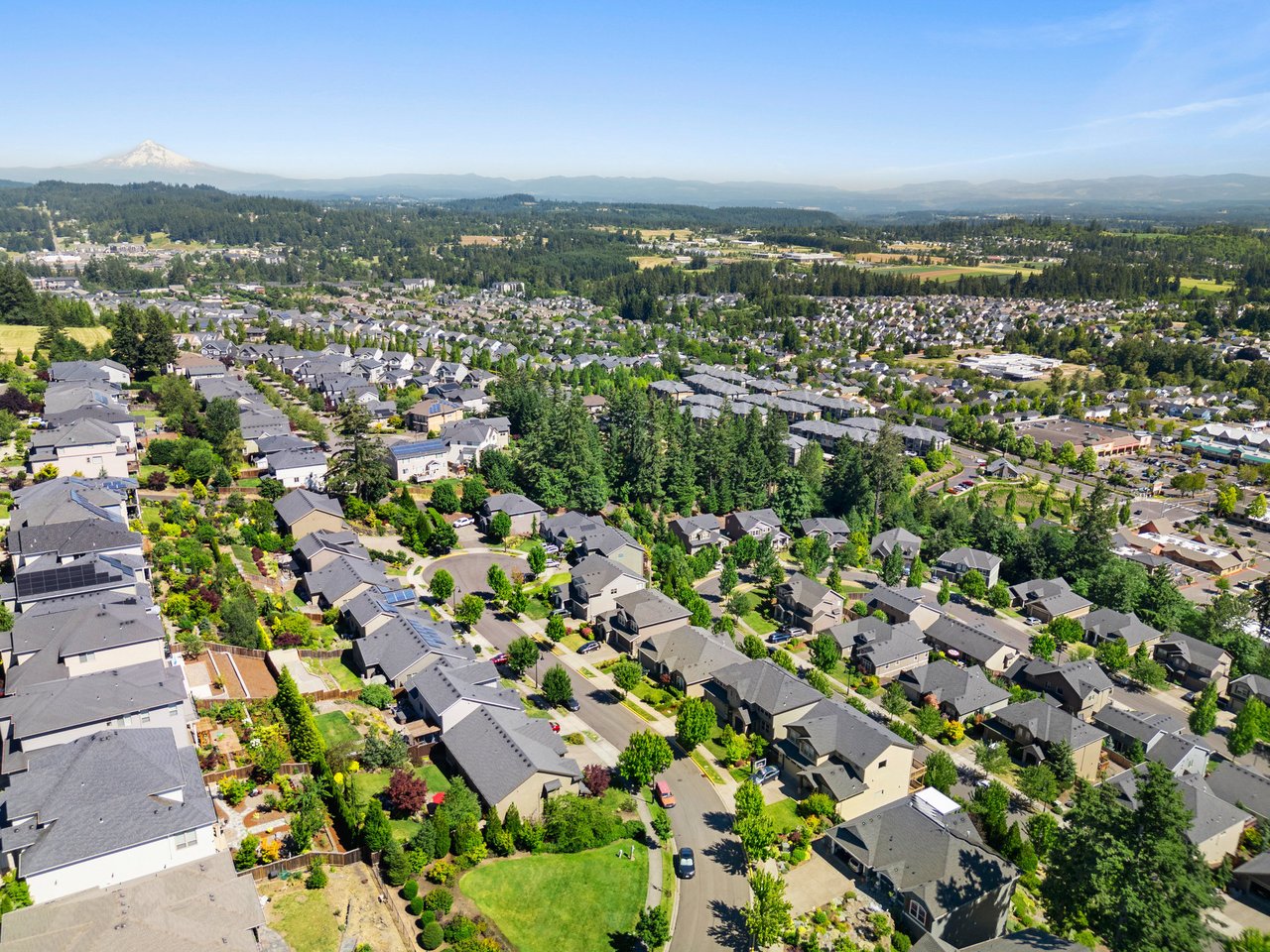
Beaverton’s location in Washington County’s Silicon Forest gives it strong appeal for buyers connected to major employers and the broader tech corridor. The city sits about seven miles west of Portland and benefits from transportation planning and active transportation infrastructure that support commute-conscious households.
That matters because job location still shapes many home searches. In a 2023 prospective-buyer study, 71% of buyers said their next home’s location was determined by the location of a job in the household, while 43% expected to live within 20 minutes of work. Even with some fully remote workers in the mix, convenience and flexibility remain central to buyer decision-making.
For you as a seller, that means your home should be marketed as more than a place to sleep. It should show how it supports daily routines, hybrid schedules, and lower-maintenance living in a practical Beaverton location.
Tech-corridor buyers usually have options, and they tend to compare homes carefully. In the RMLS May 2026 Beaverton/Aloha report, the median sale price was $541,000, total market time was 65 days, and the area had 513 active listings, 272 new listings, 204 pending sales, and 154 closed sales.
That mix points to a market where well-positioned homes can sell, but buyers are still weighing price, condition, and presentation closely. A home that feels move-in ready and clearly supports modern living can stand out faster than one that feels vague, unfinished, or overpriced.
One of the biggest opportunities in your home may be the space you are not fully naming yet. Buyer-preference research from NAHB found that a home office ranks among the five most wanted specialty rooms, and more than 70% of buyers who want one prefer it to be at least 100 square feet.
That does not mean you need a perfectly labeled office on the tax record. A bedroom-plus-den, loft, bonus room, finished basement, or even a well-defined alcove can be positioned as useful workspace if it is staged with purpose.
If you have extra space, avoid leaving it empty or calling it simply a bonus area. Instead, help buyers understand its daily value. A desk, chair, lamp, and clean background can turn an ambiguous room into a clear work zone.
Buyers are also showing more willingness to accept smaller homes or less formal layouts when flexible, multi-use space is available. In other words, the usefulness of a room can matter more than the formal label on the floor plan.
You can still make a strong case. A dining room, loft landing, guest room, or quiet corner with strong lighting can be staged as a practical office nook.
The goal is simple: help buyers picture where they would take calls, focus on projects, or set up dual-use living. When they can picture the function, the home often feels more valuable.
Reliable internet access is no longer a nice extra for many buyers. NAR reports that broadband access has become an expectation, and homes without reliable broadband often stay on the market longer, sell for less, and attract fewer showings.
That makes connectivity part of your home’s value story. If your property has fiber availability, strong Wi-Fi coverage, hard-wired networking, office wiring, or logical equipment placement, those details should not stay hidden.
Your listing presentation should make digital readiness easy to understand. Useful details may include:
These are practical features that support remote work, streaming, gaming, and daily household use. For many buyers, that kind of functionality reduces uncertainty and makes a home feel ready now.
A larger yard is not always the winning feature you may think it is. Buyer trade-off research shows many buyers are willing to trade home and yard size for access to parks, trails, and everyday connection to outdoor spaces.
For a Beaverton seller, that means a tidy, usable, low-maintenance yard can be more appealing than a big landscape that looks like work. Buyers often notice yard upkeep right away, and visible maintenance can create hesitation before they even step inside.
The strongest outdoor presentation is usually simple and intentional. Focus on:
If your lot is on the smaller side, that is not necessarily a negative. You can lean into easy care, patio usability, and the convenience of less upkeep.
Many tech-oriented buyers appreciate homes that feel efficient, comfortable, and easy to control. NAHB buyer-preference research lists programmable thermostats, security cameras, video doorbells, wireless security systems, and multi-zone HVAC among the most wanted tech features.
Energy-related upgrades also matter. ENERGY STAR windows, ENERGY STAR appliances, and efficient lighting rank high among buyer preferences for green features.
When you market these features, focus on what they mean in daily life. A programmable thermostat supports comfort and control. Updated windows can suggest efficiency and year-round comfort. A video doorbell or security system can make the home feel current and convenient.
This kind of language helps buyers connect features to lifestyle, not just a spec sheet.
Staging matters because it helps buyers visualize themselves in the home. In NAR’s 2025 staging report, 83% of buyers’ agents said staging makes it easier for buyers to see a property as their future home.
The same report found that photos matter most, followed by physical staging, videos, and virtual tours. For a seller in Beaverton, that supports investing in strong presentation before the home goes live.
The living room, primary bedroom, and kitchen are especially important to stage first. For a tech-corridor buyer, your flex or office-ready space also deserves special attention, even if it is not a formally designated office.
That means your strongest rooms for photography and tours should usually include:
If these spaces feel bright, calm, and functional, buyers are more likely to remember the home and feel confident about it.
Clutter, heavy personalization, dark rooms, exterior neglect, and visible deferred maintenance can all work against you. Buyers are especially sensitive to maintenance issues, and too much upkeep is a common regret after purchase.
Before photography, focus on decluttering, deep cleaning, neutral decor, and basic repairs. The more turnkey your home feels, the lower the buyer’s perceived risk.
The way your home is described matters almost as much as the features themselves. Generic phrases like “extra room” or “nice backyard” do not communicate much value.
Instead, use practical language that helps buyers understand how the home supports modern living. Phrases like quiet office nook, second flex room, wired for broadband, easy-care backyard, covered patio, updated HVAC, and move-in ready are more specific and more useful.
Clear wording helps buyers connect the photos to daily life. It also makes your listing feel more thoughtful and market-aware.
Even a well-prepared home can lose traction if it misses the market on price. Freddie Mac’s Primary Mortgage Market Survey put the 30-year fixed-rate mortgage at 6.49% on June 25, 2026, which means many buyers remain rate-sensitive and payment-conscious.
In that environment, buyers often respond best to homes that feel accurately priced and low-risk on condition. They may be less willing to stretch for a home that also needs repairs, upgrades, or several rounds of price reductions.
With Beaverton/Aloha total market time at 65 days in the May 2026 RMLS report, your early listing period matters. Pricing close to current comparable sales can help generate stronger initial interest than starting high and waiting for the market to correct you.
That is especially true when buyers are comparing multiple options. A clean launch with staging, photography, repairs, and pricing aligned from day one gives your home a better chance to stand out quickly.
If you want to appeal to the tech-corridor buyer, your prep plan should be practical and focused. You do not need to chase every trend. You need to make it easy for buyers to see flexibility, connectivity, comfort, and ease of ownership.
A smart seller checklist often looks like this:
In a market like Beaverton, that kind of positioning can help you attract serious buyers who know what they want and move with more confidence.
If you are getting ready to sell in Beaverton, Green Buck Real Estate can help you position your home with smart pricing, strong presentation, and marketing built for today’s buyers.
Address 4200 Mercantile Dr #700 Lake Oswego, OR 97035
Address 4200 Mercantile Dr #700 Lake Oswego, OR 97035