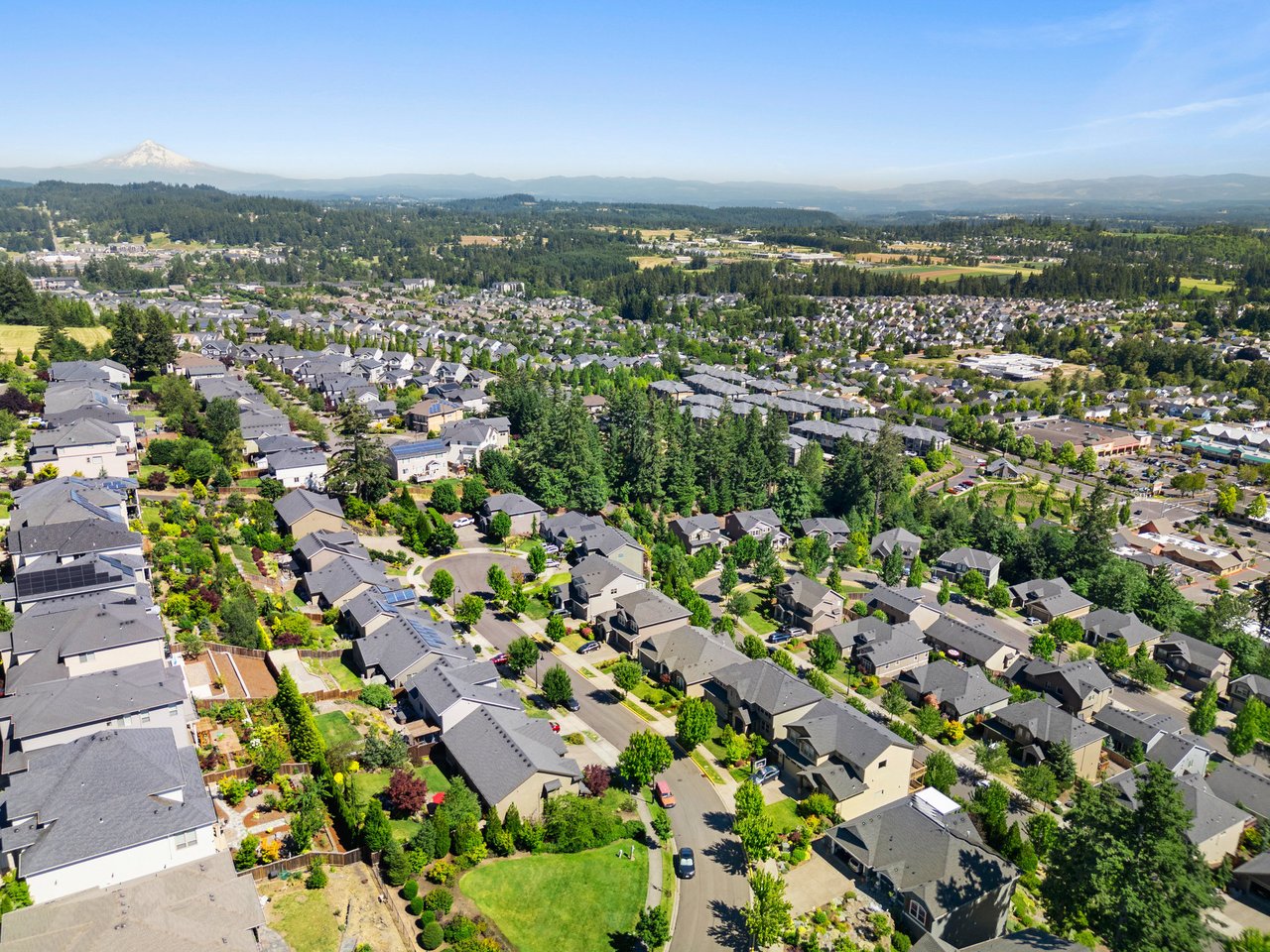
Thinking about hopping the river from Portland to Vancouver? You are not alone. Many buyers are weighing space, taxes, commute time, schools, and lifestyle as they consider a move to Clark County. In this guide, you will learn what is driving the trend, how to compare costs and commutes, which neighborhoods to explore, and what to expect with taxes and closing logistics. Let’s dive in.
Why Portland-to-Vancouver moves are rising
If you want more living space and a yard without leaving the metro’s job market and culture, Clark County can be compelling. Migration data from sources like the U.S. Census and IRS show steady cross-county movement that accelerated during the remote work era, as some buyers prioritized home size and neighborhood feel over city-center proximity. While every household is different, the most common trade-off you will consider is space and price per square foot on the Washington side versus commute time and access to Portland’s dense urban amenities.
Taxes also play a role. Washington does not levy a state personal income tax, while Oregon does. On the other hand, Washington has a sales tax and Oregon does not. The right choice depends on your income, spending patterns, and preferred neighborhood amenities.
Housing costs: how to compare accurately
Do not rely on a single median number. Build your comparison across a few metrics so you can see the full picture.
- Compare price per square foot and lot size for your target home type. Look at condos, townhomes, and single-family separately.
- Review entry, move-up, and higher price bands to see where your budget fits. Percentile views show whether the gap narrows at higher price points.
- Check months of inventory and days on market. More supply often means more choice and sometimes better negotiating room.
- Factor in new construction. Clark County typically offers more new builds than inner Portland, which can include warranties and occasional builder incentives.
A local search plan keeps you focused. Start with your must-haves, add a couple of nice-to-haves, and tour both new and resale options to understand trade-offs street by street.
Neighborhood snapshots to start your search
Below are four Clark County areas many Portland movers explore first. Use them as a starting list, then refine based on commute, schools, and housing style.
North Vancouver and Hazel Dell
- Close to I-5 for direct access toward Downtown Portland.
- Mix of established neighborhoods and traditional resales with varied lot sizes.
- Convenient to everyday shopping and local parks.
- School boundaries vary; verify with the district before you write an offer.
Salmon Creek and Felida
- Suburban neighborhoods with community parks, trails, and a range of single-family homes.
- Good access to I-5 and I-205; many commuters split routes depending on traffic.
- Active local amenities and neighborhood centers.
- Confirm attendance areas and program offerings with the district office.
East Vancouver and Camas-adjacent areas
- East side offers planned communities, newer homes, and proximity to the Columbia River corridor.
- Easy access to I-205 for cross-river commutes and PDX.
- Camas is a distinct market within Clark County; many buyers compare homes on both sides of the city line.
- Always verify boundary lines and potential waitlists with the school district.
Fisher’s Landing and the Vancouver Waterfront
- Fisher’s Landing provides quick access to I-205 along with retail and everyday services.
- The revitalized Vancouver Waterfront offers dining, trails, and newer condo and apartment options.
- A fit for buyers who value lifestyle amenities and quick freeway access.
- Check HOA details and special assessments for newer condo communities.
Commute and transit: what to expect
Most cross-river commuters use I-5 to the west or I-205 to the east. Peak congestion is common during weekday mornings heading south and evenings heading north. Monitor construction updates and travel advisories through WSDOT’s traveler information to plan your route and timing.
Transit can work well for some commuters. Clark County’s transit agency offers express routes into Portland with park-and-ride options; you can connect to TriMet for last-mile rail or bus within the city. Review C-Tran express services and park-and-ride options and plan transfers via TriMet’s system maps and schedules to test a transit commute before you buy.
If you work hybrid, try a few commute windows during your house hunt. A midday or off-peak schedule can change how far you are willing to live from your workplace.
Taxes and recurring costs you should model
The tax differences between Oregon and Washington are straightforward, but their real impact depends on you. Build a simple annual budget that includes income, typical spending, and property ownership costs.
- State income tax. Washington does not levy a state personal income tax. Verify details and business tax considerations on the Washington Department of Revenue site. Oregon taxes personal income; get current brackets and filing rules from the Oregon Department of Revenue.
- Sales tax. Washington levies sales and use tax on most goods and some services, which affects everyday spending and big purchases. Learn how rates work through the Washington sales and use tax overview. Oregon does not have a statewide sales tax, which some shoppers value for large purchases.
- Property tax. Effective rates and assessments differ by state. For estimates and exemptions on the Washington side, use the Clark County Assessor. For Multnomah County information, review the Assessment and Taxation resources.
- Real estate excise tax. Washington charges a real estate excise tax at closing that is typically paid by the seller unless otherwise negotiated. See rates and rules at the Washington real estate excise tax page.
Because every household’s income and spending looks different, consider a quick consult with a CPA to confirm the net effect of a move before you finalize your offer plan.
Closing logistics and move-in details
A cross-border move changes a few practical items. Planning ahead reduces stress.
- Vehicle registration and driver’s license. After establishing Washington residency, you will have deadlines to register vehicles and transfer your license. Check the current requirements with the Washington State Department of Licensing.
- Title and escrow customs. Closing cost splits and fee names can differ by state. Your escrow officer will outline the estimate for your specific deal.
- Utilities and services. New construction may involve connection fees, and some providers require deposits. Ask for utility estimates during your inspection period.
Schools and services: how to research well
School quality and programs can influence neighborhood prices and your daily routine. Because metrics and boundaries change, always verify at the source.
- Review district and school performance data from the Washington Office of Superintendent of Public Instruction.
- Speak directly with school district enrollment offices about boundaries, programs, and transportation.
- Confirm childcare, parks, and community services that support your daily needs.
Use neutral data points like graduation rates and program offerings alongside a neighborhood visit during school hours to understand routines and traffic.
New construction and builder incentives
Clark County often has more greenfield development than inner Portland, which can mean more opportunities to consider new homes. New builds usually come with modern energy standards, new systems, and builder warranties. Some projects may offer closing cost credits or upgrade packages; these change frequently, so ask for current incentives when you tour. Always compare HOA dues, special assessments, and tax estimates alongside price.
How we guide Portland-to-Vancouver moves
You want a clear plan, local insight, and a smooth process. Our team pairs deep Portland neighborhood knowledge with on-the-ground experience in Southwest Washington so you can compare homes, commutes, and taxes without guesswork. We organize tours by route and time of day, model total monthly costs, and help you evaluate new construction alongside resales so your final choice aligns with your budget and lifestyle.
Ready to explore Clark County with a clear strategy and a calm, experienced team by your side? Connect with Green Buck Real Estate to map your move.
FAQs
What should Portland buyers compare first when moving to Vancouver?
- Start with price per square foot, commute options via I-5 or I-205, and estimated taxes and fees on both sides of the river using county assessor pages and state revenue resources.
Are property taxes lower in Clark County than Multnomah County?
Will I save on state income tax by moving to Washington?
How long is the commute from Vancouver to Portland, and is transit realistic?
How do school options compare across the river?
Are there different taxes or fees at closing in Washington?
- Washington has a real estate excise tax typically paid by the seller unless negotiated; see the WA REET overview and ask your escrow officer for a transaction-specific estimate.
Do I need to update my driver’s license and vehicle registration after moving?
- Yes; after establishing Washington residency, you must transfer your driver’s license and register vehicles within required timelines. See current rules at the Washington State Department of Licensing.