If your ideal day starts with a trail under tall trees or ends with a neighborhood walk that does not require a long drive, Portland Metro offers more than one way to live that lifestyle. The key is knowing that “outdoor-focused” can mean very different things depending on where you look, from steep forested hillsides near major trail systems to flatter suburban neighborhoods connected to parks, creeks, and greenways. This guide will help you compare those options across the west side of the metro so you can narrow in on the kind of access, setting, and daily routine that fits you best. Let’s dive in.
For many buyers, Portland’s outdoor identity starts in the West Hills. This part of the metro is closely tied to Forest Park and Washington Park, two major public green spaces that shape how nearby neighborhoods feel on a day-to-day basis.
Forest Park is the biggest anchor. Portland Parks & Recreation describes it as roughly 5,200 acres with more than 80 miles of trails, including the 30-mile Wildwood Trail and the 11-mile Leif Erikson Drive, with more than 40 access points around the park.
That scale matters if you want nature to feel built into your routine instead of saved for the weekend. In practical terms, it means some westside homes offer relatively quick access to trailheads, wooded surroundings, and a strong sense of canopy and separation from the busier parts of the city.
Forest Park stands out because it supports a wide range of outdoor use without feeling like a small neighborhood park. You can go from a short daily walk to a longer trail outing without leaving the city, which is a major draw for buyers who want urban convenience and regular time outside.
One especially useful access point is Lower Macleay. The city notes that it includes an ADA-paved segment, connects to the Wildwood Trail, and is reachable by TriMet bus routes, which adds flexibility if you want access options beyond driving.
Washington Park adds another layer to the westside outdoor lifestyle. At 410 acres, it brings together major destinations like Hoyt Arboretum, the Oregon Zoo, the International Rose Test Garden, the Portland Japanese Garden, and the Vietnam Veterans of Oregon Memorial.
It also connects well with the broader trail experience. Barbara Walker Crossing links Washington Park to Forest Park, making it easier to move between the two on foot and turning this part of Portland into a more connected outdoor zone.
The tradeoff for all that immediate access is terrain. Forest Park trails can be steep and primitive in places, and Portland notes that some parts of the city, especially the West Hills, are prone to landslides.
If you are comparing homes in or near 97221 and surrounding westside areas, that means your home search should go beyond finishes and square footage. Slope, drainage, driveway layout, parking, and ease of access can all play a big role in how comfortably a property works over time.
If you like the idea of greenery and trails but want a setting that can feel a little more residential and less dramatic than the higher hills, Southwest Portland deserves a close look. This part of the metro is shaped by creek corridors, neighborhood parks, and streets that often feel more tucked away than central Portland.
The Fanno Creek and Tryon Creek watersheds help explain that character. Portland reports that the Fanno Creek watershed spans more than 20,000 acres and begins in the West Hills, while the Tryon Creek watershed covers more than 4,000 acres and includes the 658-acre Tryon Creek State Natural Area that extends from Portland into Lake Oswego.
Creeks and natural areas influence more than scenery. They help create neighborhoods where outdoor access can show up as wooded edges, parkland, trail links, and a quieter residential rhythm.
That can be a strong fit if you want everyday proximity to nature without feeling like you are perched deep in hillside terrain. In these areas, the outdoor lifestyle often feels integrated into the neighborhood itself, not just tied to a single destination park.
Portland’s own neighborhood descriptions highlight how varied the west side can be. West Portland Park is described by the city as more suburban in feel than closer-in urban neighborhoods, while Maplewood is associated with walking, biking, greenspaces, hills, creeks, and April Hill Park’s wetland boardwalk.
For buyers, that is an important distinction. You may be able to find a home base that feels quieter and more neighborhood-oriented while still keeping outdoor amenities close to your daily routine.
Outdoor living is not only about trailheads. In many Portland neighborhoods, bike access plays a major role in how easy it is to get around for short trips, recreation, and day-to-day errands.
PBOT describes neighborhood greenways as low-traffic, low-speed streets where walking and bicycling are prioritized. That helps explain why some westside neighborhoods appeal to buyers who want a more active routine without needing to rely on a car for every short outing.
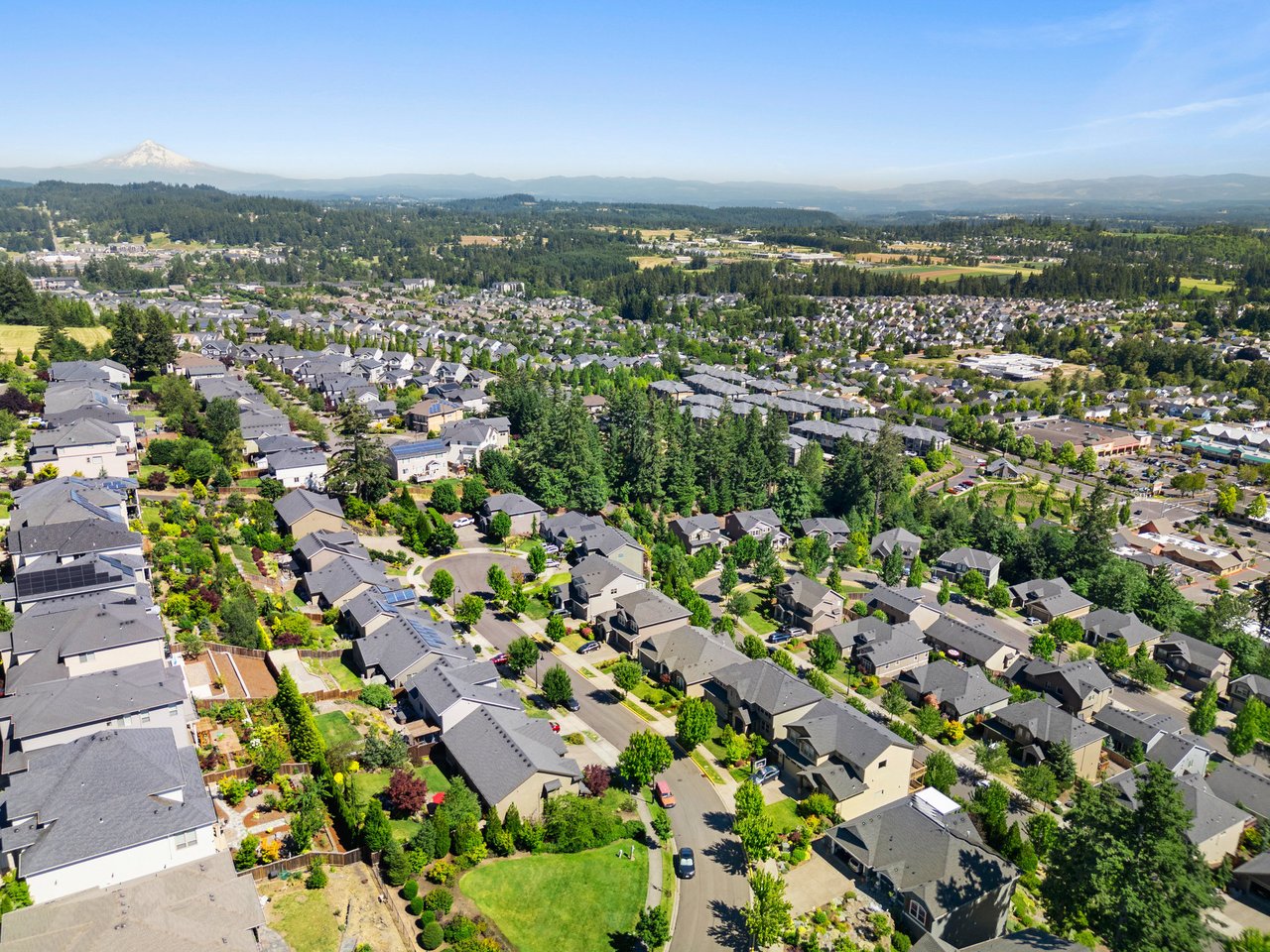
If your version of outdoor-focused living includes more predictable street grids, easier parking, and broader park networks, the westside suburbs offer a different but equally compelling option. Beaverton, Tigard, and Lake Oswego each pair residential neighborhoods with well-developed systems of parks, natural areas, and trails.
For many buyers, this setup feels easier to live with on a daily basis. You may trade immediate forest immersion for a more balanced mix of neighborhood convenience and outdoor access.
Beaverton benefits from one of the strongest park-district systems in the region. THPRD is the largest special park district in Oregon, and its Nature & Trails department manages about 1,500 acres of natural area along with a broad trail system.
Two standout destinations are Tualatin Hills Nature Park, a 222-acre wildlife preserve with about five miles of trail, and Cooper Mountain Nature Park, a 230-acre park with 3.5 miles of trails through forest, prairie, and oak woodland. If you want a suburban home base with regular access to nature walks, this is one of the metro’s clearest examples.
Tigard offers a different kind of outdoor identity. The city describes Fanno Creek Trail as part of a regional walking and biking vision that extends from Tualatin to Portland through Tigard, Beaverton, and unincorporated Washington County.
The local Fanno Creek Park section adds more than 30 acres of creekside park space with more than 10 entrances, boardwalks, bridges, and trail-oriented recreation. That gives Tigard an outdoor feel centered less on one major hillside park and more on connected creek-greenway living.
Lake Oswego also stands out for its park system. The city reports more than 645 acres of park properties across more than 36 sites, with more than 460 acres classified as natural character parks.
City planning materials emphasize connecting trails and pathways to neighborhoods, schools, and business districts. For buyers, that points to an outdoor lifestyle that is woven into the city’s overall layout rather than isolated in a few large destinations.
Across Portland’s west side, outdoor-focused neighborhoods do not all come with the same housing pattern. Based on the watershed and neighborhood data in the area, nature-adjacent westside locations tend to skew toward detached single-family homes on hillsides or near creek corridors, while suburban park-district areas often offer a broader mix of older detached homes, mid-century houses, newer subdivisions, and some attached housing.
That matters because your housing options and your outdoor routine often go hand in hand. A house near major trails may come with more topography and maintenance considerations, while a flatter suburban setting may offer easier day-to-day logistics with parks and trails still nearby.
When you tour homes, try to define what “close to nature” actually means for your lifestyle. A property can sound outdoor-oriented on paper, but the real experience may differ depending on access and terrain.
Useful questions include:
In and around 97221, buyers are often weighing some of the clearest contrasts in the Portland Metro market. You may find yourself choosing between stronger forest adjacency and a more hillside-oriented setting, or stepping farther out for a neighborhood that offers easier access, flatter lots, and wider park systems.
Neither choice is automatically better. The right fit depends on whether you want your outdoor access to feel immediate and immersive or broad, flexible, and easier to integrate into everyday suburban routines.
The best outdoor-focused neighborhood is the one that matches how you actually live. If you want quick trail access, tall trees, and a stronger sense of escape within the city, the West Hills and nearby areas around Forest Park and Washington Park may feel like home.
If you prefer a quieter residential pattern with creek corridors, greenways, and a more suburban tone, Southwest Portland may offer a better balance. And if you want organized park systems, trail connections, and easier day-to-day logistics, westside suburbs like Beaverton, Tigard, and Lake Oswego are worth a serious look.
At Green Buck Real Estate, we help buyers compare Portland Metro neighborhoods with a practical lens, from trail access and lot conditions to housing style and long-term fit. If you want expert help narrowing down the right outdoor-focused area for your next move, connect with Green Buck Real Estate.
Address 4200 Mercantile Dr #700 Lake Oswego, OR 97035
Address 4200 Mercantile Dr #700 Lake Oswego, OR 97035