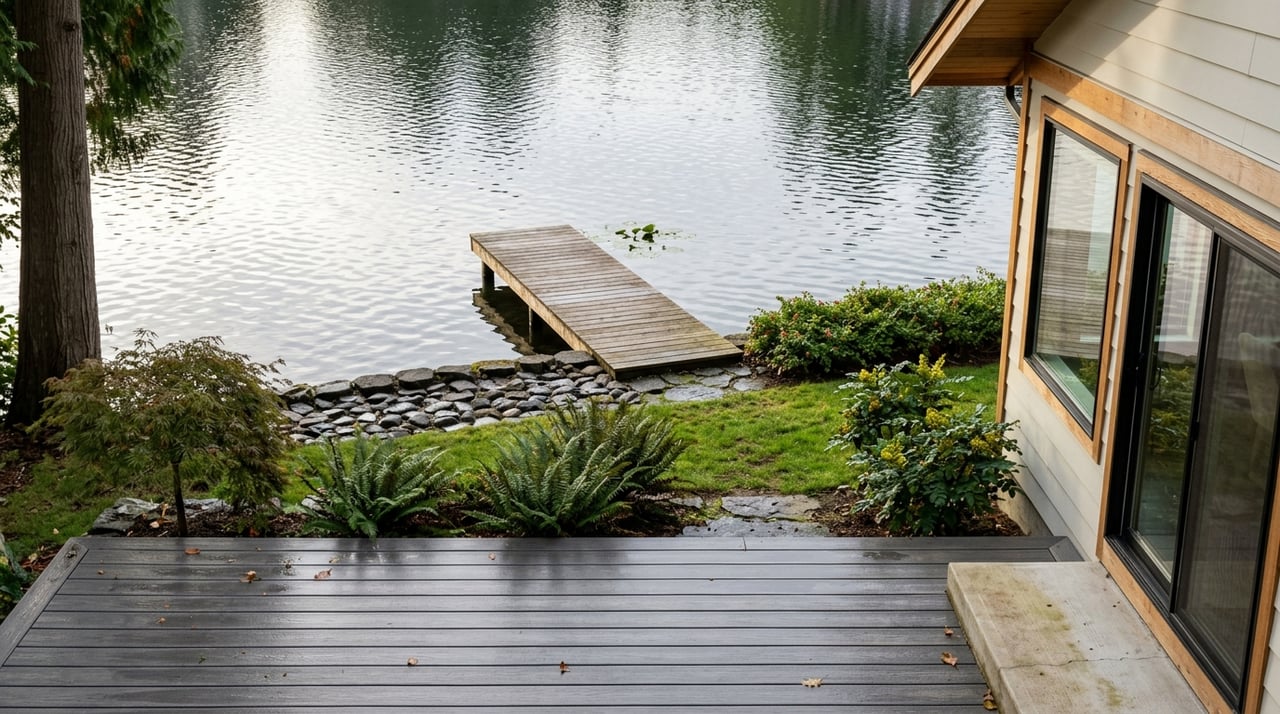
Picture your mornings starting with glassy water, sunlight on the bay, and paddleboards sliding by. Living near Oswego Lake gives you that everyday calm plus an active, neighborly scene in summer. It also comes with practical decisions about access, boating rules, permits, and long-term upkeep. In this guide, you’ll learn how access works, what lake life looks like through the seasons, and what to budget for if you plan to buy near the water. Let’s dive in.
Oswego Lake sits at the center of the city and functions as a reservoir expanded by a dam. By size, it is intimate enough to feel private yet large enough for a full boating community. Oswego Lake spans about 432 acres with depths generally in the mid 20s and a deeper channel in spots.
Management is shared. The City of Lake Oswego oversees parks, access points, and building permits. The Lake Oswego Corporation (LOC) manages easements, docks and boathouses, lake patrol, and rules for shareholders and easement members. You will see overlapping jurisdictions for shoreline projects and in-water work.
Water access in Lake Oswego is not one-size-fits-all. Many properties have recorded easements tied to the deed that allow lake use even if the home does not sit directly on the shoreline. The LOC easements page explains eligibility, application steps, and association lists.
If you rely on an easement, expect annual fees. Public examples for 2025 show Swim Only or Non-Power in the low hundreds and Power Boat access above one thousand dollars, with separate slip or storage fees depending on the association. Capacity for shared slips can be limited and some easements use waitlists.
For many years, practical access centered on waterfront owners and easement members. That changed when a 2025 court order directed the City to provide public access at Millennium Plaza Park. The City adopted updates that define how the public can use that lower plaza area.
According to the City’s 2025 park rules, Millennium Plaza is the designated entry for small, non-motorized craft during posted hours with safety and equipment requirements. Other nearby walkways and plazas have different limits because of site constraints. Implementation details and appeals have shifted at times, so it is smart to recheck the current rules before you plan a launch.
Warm weekends bring powerboats, pontoons, kayaks, and paddleboards, plus swim park activity and seasonal celebrations. A 2025 state marine board update referenced public paddle access and noted the busy summer scene. Expect concentrated activity on holidays and event days, with temporary closures or special safety measures posted in advance.
Lake culture values courtesy and clear rules. The LOC patrols and enforces lake-specific standards, and the City enforces park rules at Millennium Plaza and other sites. As summarized in the LOC materials, certain personal watercraft are not allowed and boat size and weight limits apply. Review the LOC Rules and Regulations before you buy a boat or plan guest use. Violations can lead to fines and temporary suspensions.
Millennium Plaza Park overlooks Lakewood Bay with boardwalk views, a fountain, and community events. The lower plaza is the city’s public paddle entry point under current rules, which adds a convenient way to enjoy the water if you prefer a quiet lake day. Headlee Walkway and Sundeleaf Plaza offer scenic, walkable edges where you can take in the water and downtown energy.
A few minutes away, George Rogers Park fronts the Willamette River. You will find a river beach, a public boat launch, and long riverfront paths. It is separate from Oswego Lake but expands your options for picnics, paddling, and weekend plans.
If you do not own direct shoreline, budget for recurring easement dues. The LOC easement fee examples show annual costs for different user types, plus potential association slip or storage fees. These dues help fund lake patrol, water-quality monitoring, and shared facilities.
Shoreline structures are closely regulated. Before the City issues a permit for dock or boathouse work, the LOC must approve the design. Size and height limits, view protections, work-boat rules, and erosion controls are part of the review. Start with the LOC waterfront development standards and plan for a multi-step process that can take months.
Major repairs like bulkhead replacement or dredging require planning and specialized contractors. Costs vary based on access, structural scope, and environmental requirements. Build a reserve for periodic maintenance even if your dock looks solid today.
Portions of the shoreline fall in regulated floodplain or areas with water-quality management requirements. The City’s programs address stormwater and pollutant reduction around the watershed, documented in the City’s TMDL Implementation Plan. Your lender may require flood insurance depending on the exact location. Confirm any zone designations early in your purchase due diligence.
Direct water access increases exposure. Many homeowners add umbrella liability coverage or endorsements that address docks and boats, since standard policies may limit or exclude some structures. Ask your insurance advisor to review the property and any shoreline improvements before you close.
Every buyer balances budget, convenience, and how they plan to use the water. These are the most common paths:
Use this short checklist when you tour a home near the water:
Lake living in Lake Oswego blends quiet mornings on the water with a vibrant, walkable downtown. If you are weighing waterfront versus easement access, or you want to understand fees and permitting before you make a move, we are here to help. Reach out to Green Buck Real Estate for local guidance and a dialed-in plan that fits your lifestyle and budget.
Address 4200 Mercantile Dr #700 Lake Oswego, OR 97035
Address 4200 Mercantile Dr #700 Lake Oswego, OR 97035