Ready to trade up to more space, a larger yard, or a tighter connection to lake and village life in Lake Oswego? You are not alone. Many Portland‑area homeowners look here when they want bigger homes, strong local schools, and a refined neighborhood feel. In this guide, you will see which Lake Oswego neighborhoods move‑up buyers favor, how prices and lot sizes typically stack up, and what to verify before you write an offer. Let’s dive in.
What move‑up buyers want in Lake Oswego
Lake Oswego is one of the metro’s premium markets, and it rewards clarity about your priorities. Most move‑up buyers here focus on four things.
- Larger indoor and outdoor space. Many buyers seek 3,000+ square feet and a lot of at least 7,500 square feet. Local zoning minimums help explain where larger lots cluster. The city’s low‑density zones require minimum lots of 7,500 sq ft (R‑7.5), 10,000 sq ft (R‑10), or 15,000 sq ft (R‑15). You can confirm standards in the city’s Community Development Code. See the code PDF for details.
- School assignment and reputation. Lake Oswego School District has a strong reputation in Oregon. If school assignment matters to you, confirm the exact boundaries for any address directly with the district. For a quick sense of school performance, you can review independent profiles like GreatSchools’ page for Lake Oswego Senior High.
- Lake and village access. Walkability to the downtown Village, restaurants, the farmer’s market, and Millennium Plaza Park adds a lifestyle premium. Proximity to Oswego Lake or boat access can raise prices further.
- Commute and connectivity. Many buyers balance space and lifestyle with drive times to jobs around the westside. Lake Oswego’s mean commute time sits around 21 to 22 minutes, which is helpful context as you weigh tradeoffs. See Census QuickFacts.
Neighborhoods move‑up buyers favor
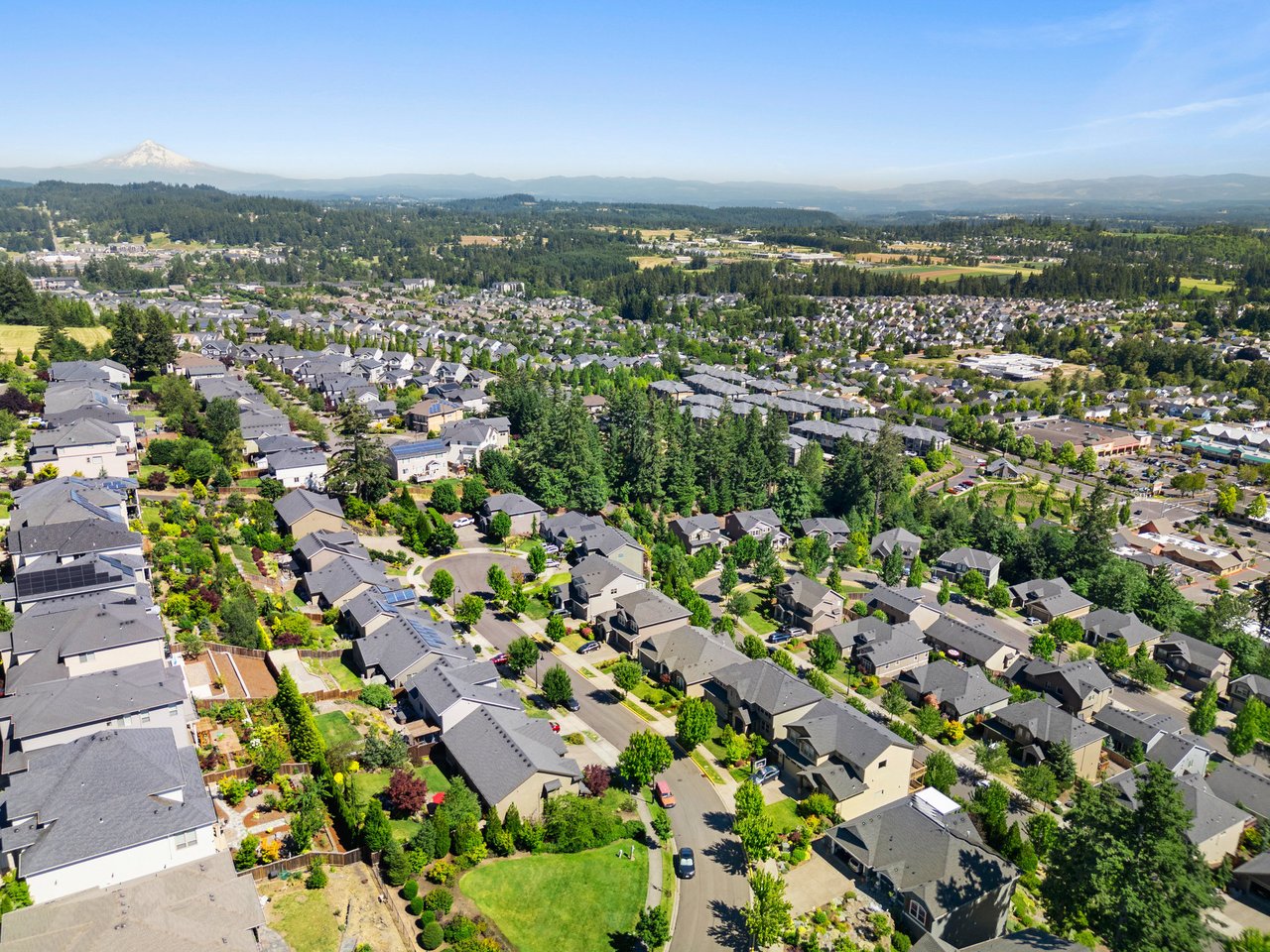
Below are the areas most often short‑listed for bigger homes, larger lots, and strong lifestyle amenities. Each summary highlights why buyers choose it, the architectural character, what to expect for lot sizes and zoning, and a directional price range. Medians shift with thin inventory, so use this as a map and pair it with current sold and active data when you are ready.
North Shore and Country Club
- Why buyers choose it: Near‑lake living with a mature tree canopy and easy access to the Village and weekend markets. It is one of the city’s most coveted lake‑adjacent pockets. Explore local associations via the City’s neighborhood list.
- Character: Early‑century traditional homes, custom estates, mid‑century properties, and newer rebuilds. The Neighborhood Character Report catalogs common styles and streetscapes.
- Lots and zoning: Many parcels are larger, with common zoning in lower‑density categories like R‑10 and R‑15. Confirm by parcel.
- Price view: Generally premium. Many homes trade well above the citywide median, with lakefront estates commanding multiple millions.
Palisades
- Why buyers choose it: Lake lifestyle vibes on the south shore, with pockets that offer proximity to lake access and neighborhood parks.
- Character: Mid‑century homes mixed with substantial remodels and newer construction on larger lots. See the city’s Character Report for examples.
- Lots and zoning: Larger lots are common, which supports expansions and high‑quality rebuilds. Always verify zoning and any overlays before planning changes.
- Price view: Often in the low‑ to mid‑seven figures, with lake‑adjacent streets pushing higher.
Forest Highlands
- Why buyers choose it: Estate‑scale living, privacy, and custom homes on generous parcels. It is a top choice if you want an executive‑style property with seclusion but still inside city limits.
- Character: A mix of newer luxury builds and 1970s–1990s custom homes on large lots. The Character Report notes its distinct, wooded estate feel.
- Lots and zoning: Expect lower‑density residential zoning and larger minimum lots. Confirm parcel zoning before assuming subdivision potential.
- Price view: Typically among the highest medians in the city, with many homes comfortably in the multi‑million‑dollar range.
Uplands
- Why buyers choose it: Wooded, elevated parcels that blend privacy with convenient access to the Village and major routes.
- Character: A mix of older single‑family homes and larger, newer infill builds. See neighborhood patterns in the Character Report.
- Lots and zoning: Larger lots are common. Verify zoning and any overlays for buildability or additions.
- Price view: Frequently in the seven‑figure range, with newer or larger rebuilds trading higher.
Lake Grove and Mountain Park
- Why buyers choose it: Lake Grove Village amenities, neighborhood parks, and a broader spread of pricing than lakefront districts. Local coverage points to Lake Grove and Mountain Park as common entry points for buyers who want LOSD schools with more price range variety. Axios highlights these tradeoffs.
- Character: A mix of ranches, 1970s homes, modernized properties, and some infill near the village core.
- Lots and zoning: Lot sizes vary widely. Check parcel specifics to understand potential for additions or accessory structures.
- Price view: You can still find move‑up opportunities that trail lake‑adjacent pricing, alongside renovated and larger homes that cross into seven figures.
First Addition and Old Town
- Why buyers choose it: Immediate walkability to the downtown Village, restaurants, farmer’s market, and Millennium Plaza Park. If you value a car‑light lifestyle over acreage, this area delivers.
- Character: Early 20th‑century homes on smaller lots, plus tasteful infill and townhomes. The fabric is well documented in the city’s Character Report and the Old Town neighborhood site.
- Lots and zoning: Smaller lots than estate areas. If you are planning an addition, confirm setbacks, tree protections, and overlays early.
- Price view: Medians typically sit at or above the citywide median due to the premium for walkability and new infill.
McVey‑South Shore and Bryant
- Why buyers choose it: A mix of near‑lake living and established residential streets with mature trees and access to green spaces.
- Character: Ranges from classic single‑family homes to lake‑proximate properties, with remodel and rebuild activity in select pockets.
- Lots and zoning: Expect a range of lot sizes. Verify zoning and any shoreline‑related rules if you are pursuing lake access.
- Price view: Commonly in the higher end of the market for non‑lakefront homes, with lakefront or near‑lake properties commanding a premium.
Zoning and build potential basics
Understanding your parcel’s rules is essential before you plan additions, rebuilds, or an accessory structure.
- Minimum lot areas. R‑7.5 requires at least 7,500 sq ft, R‑10 requires 10,000 sq ft, and R‑15 requires 15,000 sq ft. These thresholds affect how much yard you have, what you can add, and whether a subdivision is even possible. Review the city code.
- Sensitive lands and shoreline issues. Stream corridors, steep slopes, and tree protections can limit buildable area. Lake‑adjacent parcels may be subject to private lake corporation rules and unique setbacks. Always verify overlays, easements, and tree regulations. The city’s code interpretation log includes guidance on Lake Corp parcels.
- Middle housing and code changes. Oregon‑wide changes and local amendments influence where duplexes, ADUs, and other options may fit. For an overview, check the city’s middle housing page.
How to choose your fit
Use this quick checklist to narrow your search and avoid costly surprises.
- Clarify your top tradeoff. Do you want lake and Village access, or maximum lot size and privacy, or the most direct routes to I‑5 and Hwy 217? Rank them.
- Confirm school boundaries. If school assignment is part of your criteria, verify the exact address with LOSD. You can also review independent profiles like GreatSchools.
- Set a budget by neighborhood. Use the citywide median as a baseline, then look at a 6 to 12‑month sold history within your target area. Thin inventory can swing medians quickly, especially near the lake.
- Check parcel zoning and overlays early. Zoning, sensitive lands, and tree protections shape what you can change. Start with the city code and the code interpretation log.
- Ask about lake access rights. Confirm whether shoreline rights or boat privileges run with the parcel, involve membership, or do not apply. The city’s interpretation log notes how Lake Corp parcels can differ.
- Walk the street and study the canopy. Lake Oswego’s mature trees and slopes add beauty and complexity. The Neighborhood Character Report helps you see typical patterns by area.
Your next step
If you are weighing space, schools, and lake or Village access, a clear plan and current data will save you time and help you buy with confidence. Our team can help you compare neighborhoods side by side, confirm parcel constraints, and align your offer with real‑time pricing. When you are ready to move up in Lake Oswego, connect with Green Buck Real Estate for a no‑pressure consult or to request a free home valuation.
FAQs
What price ranges should move‑up buyers expect in Lake Oswego?
- Citywide pricing often sits near the high‑$800,000 to around $1 million range, while premium lake‑adjacent and estate pockets commonly run well into seven figures; use a 6 to 12‑month sold history for your target streets to set a precise budget.
Which Lake Oswego areas are most walkable to the Village?
- First Addition and Old Town offer some of the most direct access to restaurants, the farmer’s market, and Millennium Plaza Park, though smaller lots and lifestyle premiums are common.
Where can I find larger lots inside Lake Oswego?
- Forest Highlands, Uplands, and parts of North Shore/Country Club and Palisades often feature larger parcels; confirm minimum lot sizes via the city code and verify by parcel.
How do I verify school assignment for a specific address in Lake Oswego?
- Contact LOSD directly to confirm boundaries for the exact street address, and review independent profiles like GreatSchools for additional context.
What should I check before planning an addition or rebuild near Oswego Lake?
- Verify zoning, sensitive‑lands overlays, tree protections, and any Lake Corp easements or shoreline rules using the city’s code interpretation log, then confirm details with the city planning department.