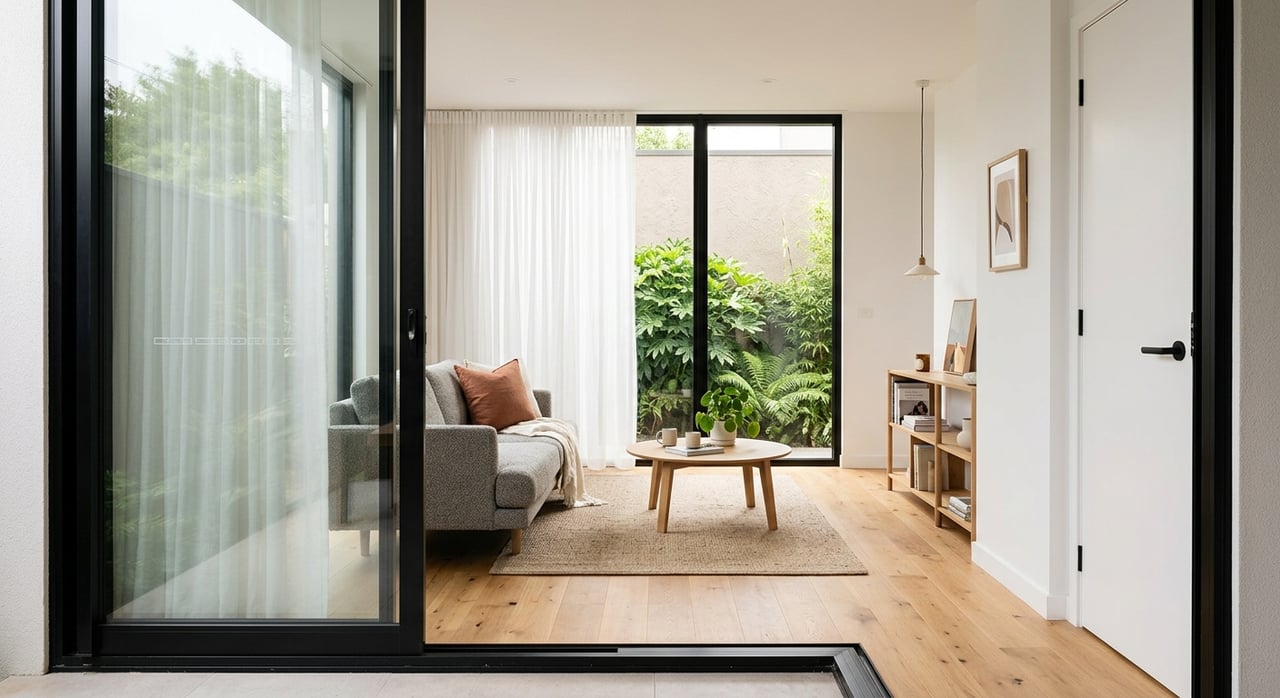
Are you thinking about trading square footage for simplicity, but still want a place that feels active, connected, and worth the move? Downsizing to Lake Oswego can make a lot of sense if you want less maintenance without giving up access to parks, shopping, recreation, and regional convenience. The key is knowing that not every part of Lake Oswego lives the same, and the right fit often comes down to housing type, walkability, and carrying costs. Let’s dive in.
Lake Oswego offers a mix that many downsizers want: a smaller-home lifestyle paired with strong daily convenience and established amenities. The city highlights a walkable downtown, lakefront and riverfront parks, arts and recreation offerings, the library, the farmers market, and public gathering spaces that support an active routine.
It is also a market where ownership is already a major part of the local housing picture. Census QuickFacts estimates Lake Oswego’s 2024 population at 40,029, with a 69.3% owner-occupied rate and 23.5% of residents age 65 or older. That profile suggests a city where many homeowners are already thinking about long-term livability, upkeep, and how a home supports daily life.
Cost matters too. Census data lists a median owner-occupied home value of $932,200, along with median monthly owner costs of $3,439 with a mortgage and $1,258 without a mortgage. If you are downsizing here, the goal is usually not just to spend less, but to spend more intentionally on a home and location that fit your next chapter.
In Lake Oswego, downsizing does not mean one thing. You may be looking for a condo near shops and restaurants, a smaller detached home close to downtown, or an attached home with less exterior upkeep.
The city’s layout gives you a few different paths, and each comes with trade-offs. Some areas are better for walkable errands, while others offer a quieter residential feel. Since Lake Oswego has 25 recognized neighborhood associations and neighborhood planning is built into the city’s comprehensive plan, your experience can shift noticeably from one area to the next.
If you want the strongest walkability story in town, downtown Lake Oswego is the clearest place to start. The city describes it as a walkable lakefront business district with specialty shopping, dining, entertainment, civic spaces, Millennium Plaza Park, the farmers market, the library, and public art.
That environment tends to appeal to buyers who want less house and more routine. Residential options in and around downtown include mixed-use projects such as The Windward, which the city says includes 200 residential units. A condo or mixed-use home here can make daily errands simpler, but you may give up private outdoor space and rely more on shared building systems.
For many downsizers, that trade is worth it. You may be able to walk to coffee, a park, local events, or basic services instead of planning every outing around a car.
Downtown also offers a strong public-space feel. The city highlights places like Sundeleaf Plaza and Lower Millennium Park for lake views and quieter moments, which can matter just as much as floor plan size when you are choosing where to live next.
If you want a smaller-lot home with personality, First Addition may be worth a closer look. It is one of the city’s oldest neighborhoods, originally platted in 1888 on 6,000-square-foot lots, and the area is known for its close-in location near downtown services.
For a downsizer, this can mean a more residential feel without being far from daily conveniences. You may find the charm appealing if you still want a detached home and do not need a large yard.
The details matter here. City materials describe narrow streets, rear alley garages, street parking, and in many places no curbs or sidewalks. Some older, smaller homes have also been replaced over time by larger cottage-style homes.
That means First Addition is not automatically an easy downsizing choice just because it is near downtown. You will want to look closely at parking, home age, lot use, and how comfortable the street layout feels for your day-to-day routine.
Lake Grove Village Center can be a strong fit if you want nearby services without living in the downtown core. The city identifies it as a town center designed to support transit, a pedestrian environment, shopping, entertainment, and higher-density housing.
City materials say the district includes nearly one mile of Boones Ferry Road frontage, about one million square feet of commercial space, and more than 400 multifamily and assisted living units. It is also anchored by retail and service uses that can make everyday errands easier.
Lake Grove often works well for buyers who want convenience, but not necessarily a fully urban feel. Compared with downtown, it can offer strong access to services while still feeling more road-oriented.
That can be a good middle ground if you want a smaller or attached home and prefer practical access over a more concentrated lakefront district. It is worth comparing your daily habits against the area’s layout before you decide.
Lake Oswego now allows ADUs and middle housing in most residential zones. The city defines middle housing as duplexes, triplexes, quadplexes, cottage clusters, and townhomes, and it allows ADUs as attached or detached smaller residences on the same lot.
For downsizers, this expands the menu. You are not limited to choosing between a large single-family home and a traditional condo building.
That flexibility matters if your goal is lower maintenance without giving up ownership style or neighborhood feel. A townhome, cottage cluster home, or other smaller-footprint property may offer the balance you want between privacy, upkeep, and space.
If you are considering a condo, it helps to understand how ownership works in Oregon. The state explains that condo ownership includes not only your unit, but also an undivided share of common elements such as foundations, framing, siding, roofs, stairways, utility services, landscaping, and parking areas.
For downsizers, that setup can be appealing because it may reduce hands-on exterior upkeep. At the same time, it also means shared responsibility, shared decision-making, and rules that can shape your living experience.
A monthly HOA fee is only useful when you know what it covers. If the association handles roofs, exterior paint, landscaping, and other major common elements, the fee may be buying convenience and predictability.
If it covers less than you expect, you may still carry more maintenance responsibility than you wanted. This is why a lower monthly fee is not always a better value for a downsizer.
Oregon statutes reference reserve accounts, reserve studies, and maintenance plans for condominiums and planned communities. That is a practical reason to ask about reserve funding, recent major repairs, and the possibility of future assessments before you commit.
It also helps to know that a neighborhood association is not the same thing as an HOA. The city says HOAs are private corporations created to manage common areas and amenities, while neighborhood associations are broader voluntary groups that include both renters and homeowners.
One of the biggest mistakes downsizers make is assuming the whole city functions the same way. In Lake Oswego, walkability is strongest downtown, where shops, dining, civic uses, and public gathering spaces are concentrated.
First Addition is close to downtown amenities and the transit center, but the historic street pattern and limited sidewalk infrastructure in some places can create a different experience. It may feel convenient, but not necessarily car-free.
Lake Oswego Transit Center is at 4th Street and A Avenue and connects to TriMet routes 35, 37, 78, and 153. Route 35 serves Portland City Center and Oregon City, while route 37 serves Lake Oswego and Tualatin on weekdays.
That means a car-light lifestyle can be realistic in some parts of the city, especially if you are near downtown. It is less consistent across the entire market, so location matters if transportation flexibility is one of your priorities.
When you downsize, the home itself often becomes only part of the decision. Lake Oswego manages more than 600 acres of park and open space property, plus more than 460 acres of natural character parks, and the parks and recreation system hosts roughly 1,800 recreation programs and 85 community events each year.
The city also offers amenities such as the Adult Community Center, Indoor Tennis Center, Swim Park, Water Sports Center, and a public golf course and driving range. If your next move is about lifestyle as much as square footage, these amenities can be a major part of the value.
A smaller home does not always mean a cheaper overall move. Buying and selling still come with costs, and changing homes often means replacing one set of expenses with another.
That is especially important in a market like Lake Oswego, where home values and carrying costs are significant. Before you move, it helps to compare your likely net proceeds from your current home against your future payment, dues, taxes, insurance, and maintenance expectations.
If you need to sell your current home before buying, timing becomes one of the biggest stress points. A practical approach is to understand your likely sale proceeds first, then decide whether a contingent purchase or bridge financing is realistic before writing an offer.
This can help you avoid making the Lake Oswego move feel rushed. The right sequence often creates more negotiating power and less uncertainty.
If you need to close on your next home before your current home sells, some buyers look at bridge or swing loans. Fannie Mae guidance says the lender must document your ability to carry the new home, your current home, and the bridge debt, and that balance can count as a contingent liability in debt-to-income calculations.
In plain terms, that means bridge financing can help in some cases, but it is not a simple shortcut. You will want to evaluate it early, not after you have already found the home you want.
The best downsizing move in Lake Oswego usually comes down to a few practical questions:
If you can answer those clearly, your search becomes much more focused. Instead of looking at every smaller home on the market, you can zero in on the part of Lake Oswego that actually supports your day-to-day life.
Downsizing should make life simpler, not just move your belongings into fewer rooms. The right Lake Oswego home is the one that fits your routine, your budget, and the way you want to live in the years ahead. If you want expert guidance on timing your sale, comparing neighborhoods, or finding the right lower-maintenance home, connect with Green Buck Real Estate.
Address 4200 Mercantile Dr #700 Lake Oswego, OR 97035
Address 4200 Mercantile Dr #700 Lake Oswego, OR 97035