Trying to choose between Beaverton and closer-in Portland for your first home can feel like comparing apples to oranges. You want the right mix of price, space, commute, and long-term value without surprise costs. In this guide, you will see how prices and property types really compare, how HOA fees can change your monthly budget, and what to watch in financing and taxes. You will also get simple, real-world buying scenarios to help you zero in on the best fit. Let’s dive in.
The quick price picture
Beaverton and Portland sit in a similar price band, but the mix of homes is different. Zillow’s typical home value for Beaverton was about $520,499 as of late January 2026, while Portland’s was about $517,821 over the same period. Redfin’s median sale price snapshot showed Beaverton around the mid $500,000s and Portland around the $500,000 mark, with wide swings by neighborhood. The big takeaway is that price alone does not decide it. What matters is the tradeoff between single-family space in Beaverton and central condos or townhomes in closer-in Portland.
Buyers also had more leverage in 2025 than in prior years, with more sales closing below list in the Portland metro. That can create opportunity if you are active and realistic about your search area and property type. You can read more about buyer discounting trends in local coverage from Axios for context on recent negotiation dynamics. See the latest metro discounting overview in this report from Axios.
What you get for your budget
Beaverton: More space and fewer HOAs
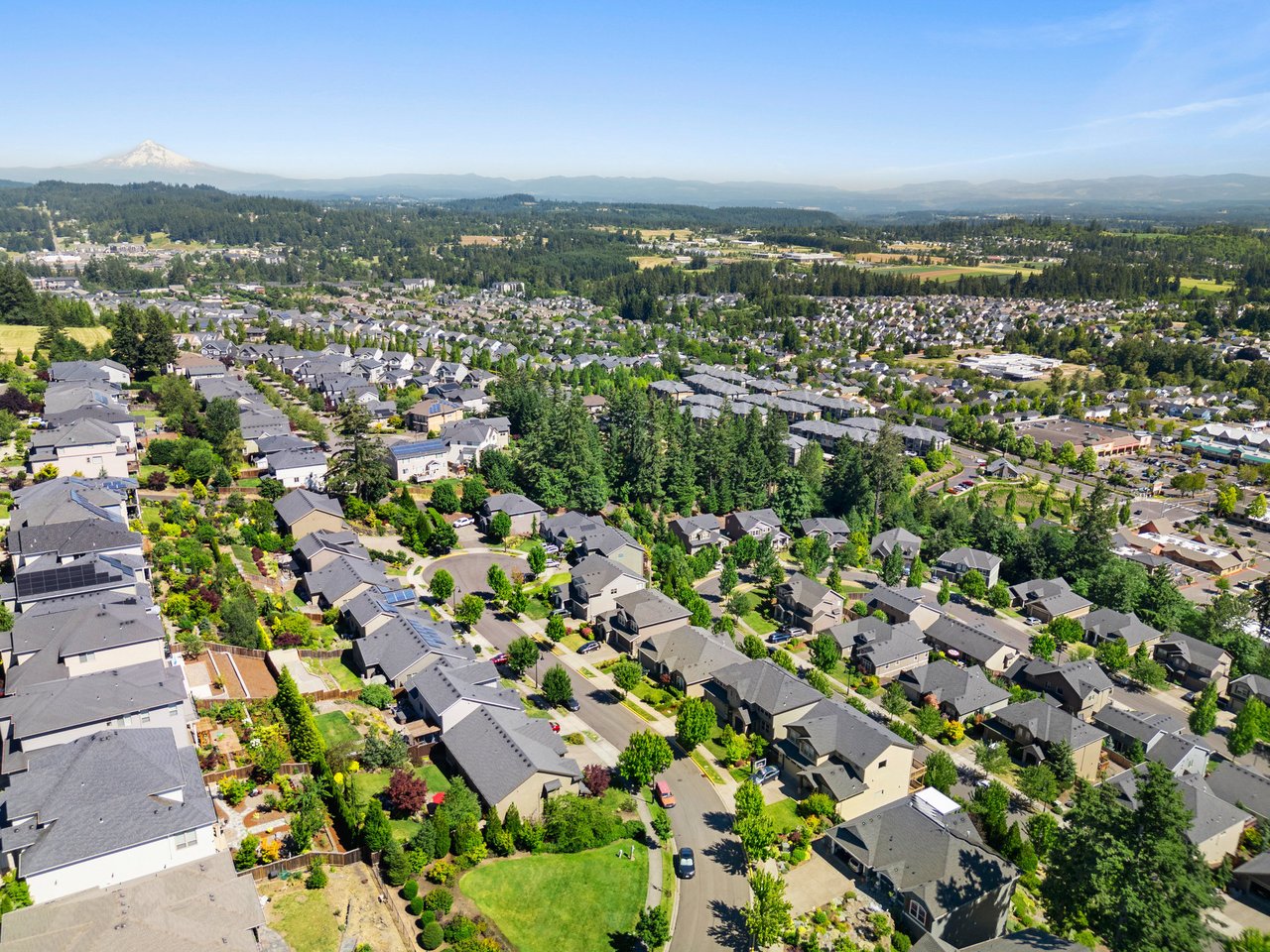
If you want a yard, a garage, and fewer shared walls, Beaverton in Washington County usually gives you more single-family options for the money. The local market has a deep pool of detached homes and newer attached communities. For the same budget you might find more square footage, private outdoor space, and on-site parking. Entry-level options exist too, including smaller condos or manufactured homes at lower price points.
Closer-in Portland: Walkability and condo variety
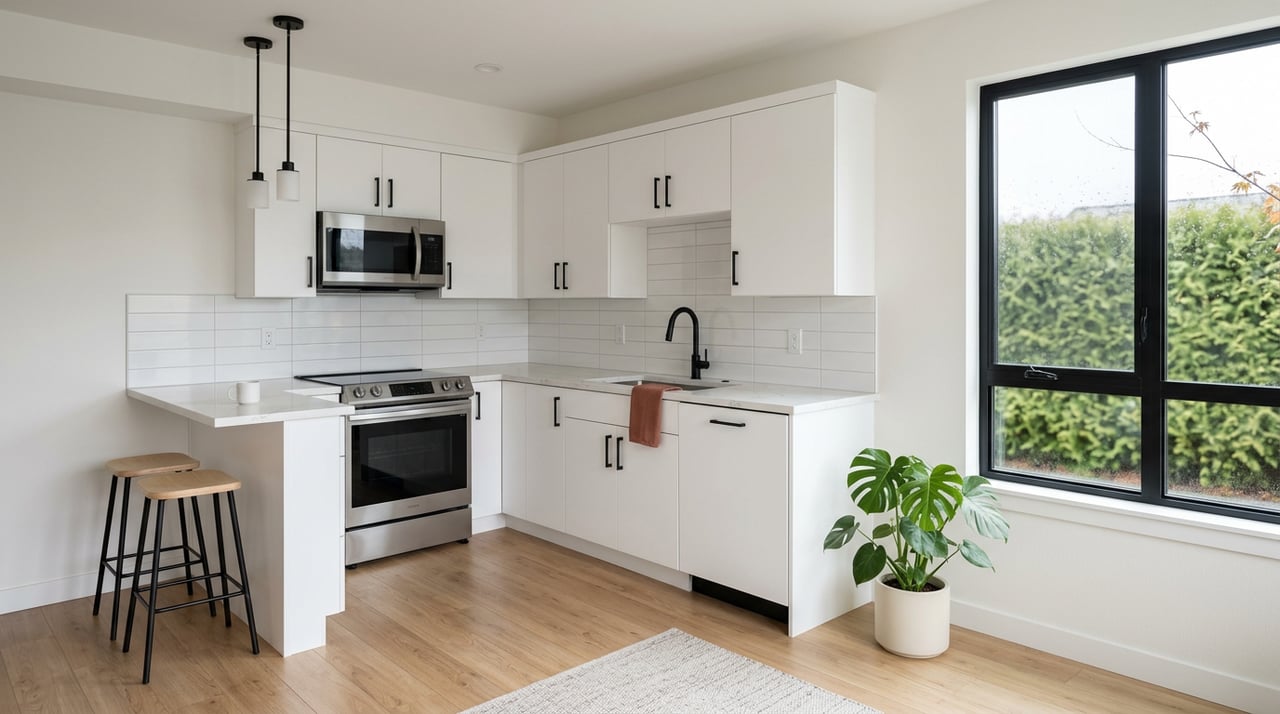
If your top priority is walkability, transit access, and a short commute, closer-in Portland can open doors to condos and some townhomes at lower entry prices. Downtown and nearby neighborhoods offer many multifamily buildings, and some central condos trade at lower dollar amounts than detached homes. This comes with tradeoffs. You will see HOA dues more often, building-by-building differences, and a wider range of resale behavior depending on the property and location.
How HOAs change your monthly budget
HOA dues matter because they are part of your monthly cost, and they are rising in many parts of the country. National research from Realtor.com reported a median HOA fee near $135 per month in 2025, but that median includes many single-family HOAs with modest dues. Condo and townhome communities in urban cores often carry several hundred dollars per month, with some high-rise buildings above $700. A condo that looks cheaper at first glance can be more expensive each month once HOA and insurance are added.
Condo and townhome due-diligence checklist
- Request the full HOA resale packet early. Review the budget, reserve study, insurance, meeting minutes, and any pending litigation.
- Look for upcoming capital projects and reserve strength. Weak reserves can lead to special assessments that add thousands to your cost.
- Confirm rental caps and occupancy rules. These affect flexibility and future resale.
- Price your total monthly cost, not just principal and interest. Add taxes, HOA dues, homeowner’s insurance, and any mortgage insurance.
Financing rules to verify
- If you plan to use FHA or VA financing, confirm the condo project’s approval status early. FHA loans require the building to be approved at the project level, which can affect your options. For current guidance on FHA condominium requirements, review the official resources from HUD.
- Appraisals in condo buildings can be less predictable due to fewer true comparable sales. That can influence both price negotiations and contingency choices.
Carrying cost snapshot: Condo vs single-family
Here is a simple illustration to show how HOA dues can shift your budget. This is not a quote. Rates and taxes change, so run the math with your lender and a specific property.
- Sample purchase price: $450,000 at a hypothetical 30-year fixed interest rate. Principal and interest will be the same in both examples for an apples-to-apples view.
- Property taxes: For many Portland addresses in Multnomah County, the effective rate is around 0.96% based on county-level estimates. You can review Multnomah County context at TaxByCounty. Washington County parcels are often similar and sometimes slightly lower, but always check the parcel.
- HOA dues: Many closer-in condos include monthly dues; most detached single-family homes in Beaverton do not, or they carry minimal dues if in a planned community.
Now compare:
- Closer-in Portland condo at $450,000 with $500 monthly HOA. Taxes at a 0.96% effective rate would add roughly $360 per month to your budget, plus HOA and insurance.
- Beaverton single-family at $450,000 with no HOA. Using the same 0.96% tax rate for a simple comparison, taxes would also be about $360 per month, but you avoid the $500 HOA. Your actual Beaverton tax may be a bit different based on the parcel and district.
The point is not the exact dollar figure. It is that HOA dues can equal several hundred dollars of buying power every month, and they often outweigh small differences in county tax rates when you compare a central condo to a suburban single-family home.
Real-world budget paths
Around $300,000
- Beaverton: Focus on smaller condos, manufactured homes, or compact townhomes on the outskirts. You will find livable options, with tradeoffs in size, parking, and location.
- Closer-in Portland: Look for studios and 1-bedroom condos downtown or in nearby neighborhoods. Plan for HOA dues and smaller square footage, and review building reserves and any upcoming projects.
Around $450,000
- Beaverton: You can target modest single-family homes or larger townhomes in many areas. You may need to be flexible on cosmetic updates or yard size.
- Closer-in Portland: Aim for a 1–2 bedroom condo in a well-kept building. In some outer-inner areas, you might find a small detached home depending on condition, concessions, and days on market.
Around $600,000
- Beaverton: This budget often buys a 3-bedroom or larger detached home with a yard and parking. You may also see updated kitchens or larger lots at this level.
- Closer-in Portland: Consider higher-quality condos or townhomes in central areas, or smaller detached homes in select close-in neighborhoods where single-family prices are more moderate.
$800,000 and up
- Both markets open up. In Portland, this reaches more inner neighborhoods and larger homes. In Beaverton, it can mean a larger lot, more square footage, and updated finishes. Compare your square feet, lot size, and parking to keep the value lens clear.
Long-term equity and resale
The Portland-Vancouver-Hillsboro metro has seen modest, low single-digit year-over-year appreciation in recent quarters. You can browse metro-level trends from the Federal Housing Finance Agency at the FHFA House Price Index. With flatter growth, your micro-location and property type matter more than a city-versus-suburb label.
- Detached single-family homes often have steadier resale and fewer building-level risks.
- Condos can offer lower entry prices in central areas, but building insurance, reserves, and special assessments can impact both carrying costs and future value. This is why the HOA packet and reserve study review is so important.
A simple decision guide
Use this to focus your search fast:
- If your top priorities are maximum square footage, a private yard, and garage parking at a given budget, lean toward Beaverton and nearby Washington County suburbs.
- If you value walkability, transit, and a shorter commute most, focus on closer-in Portland condos or townhomes and budget for HOA dues and building-level due diligence.
- If you are payment-sensitive, compare the full monthly cost for your short list. Add principal and interest, property tax, HOA, insurance, and mortgage insurance if applicable. Choose the address with the right lifestyle that also keeps your monthly number comfortable.
- If you plan to use FHA or VA, verify early that your condo pick is eligible through HUD. If not, consider a detached home or a project with approval.
What to expect when you shop now
Market conditions in 2025 gave buyers more negotiating room in many parts of Portland metro, with a higher share of sales closing below list. That can help first-time buyers who are prepared with financing and can move quickly on well-priced homes. At the same time, well-presented homes in desirable micro-locations still draw strong interest. Stay flexible, keep your pre-approval updated, and watch days on market and price reductions to spot value. For a quick sense of recent buyer leverage, see the local market discounting snapshot from Axios.
Data caveat and next steps
Market numbers change every week, and neighborhood micro-trends matter. Always verify the latest MLS medians, tax amounts at the county assessor level, and any HOA documents or condo project approvals before you write an offer. For FHA condo questions and project eligibility, use official HUD resources. If you want help turning this into a strategy for your budget and timeline, our team is here to guide you.
Ready to compare specific homes, line up the real monthly costs, and build a confident plan? Reach out to the local experts at Green Buck Real Estate for a first-time buyer strategy session tailored to you.
FAQs
What is the main cost difference between a Beaverton single-family and a closer-in Portland condo?
- The biggest swing is usually HOA dues on the condo side, which can add several hundred dollars per month and often outweigh small differences in county tax rates.
How do HOA fees impact affordability for first-time buyers in Portland?
- HOA dues increase your monthly payment and can reduce buying power, so include them when you compare principal and interest, property taxes, and insurance.
Are Downtown Portland condos a good first home investment?
- They can be a smart entry point for location and price, but building-level risks, insurance, and special assessments vary, so review the HOA packet and reserves closely.
Can I use FHA or VA to buy a condo in Portland or Beaverton?
- Yes, but the condo project must meet program rules; confirm eligibility early using official HUD guidance.
How do property taxes compare between Multnomah and Washington counties?
- Multnomah County’s effective tax rate is around 0.96% by some estimates, while Washington County is similar and sometimes a bit lower, but always check the specific parcel.
Is now a good time to negotiate in Portland metro?
- Recent reporting shows more sales closing below list price across the metro, which can help first-time buyers who are prepared and flexible on location or property type.